
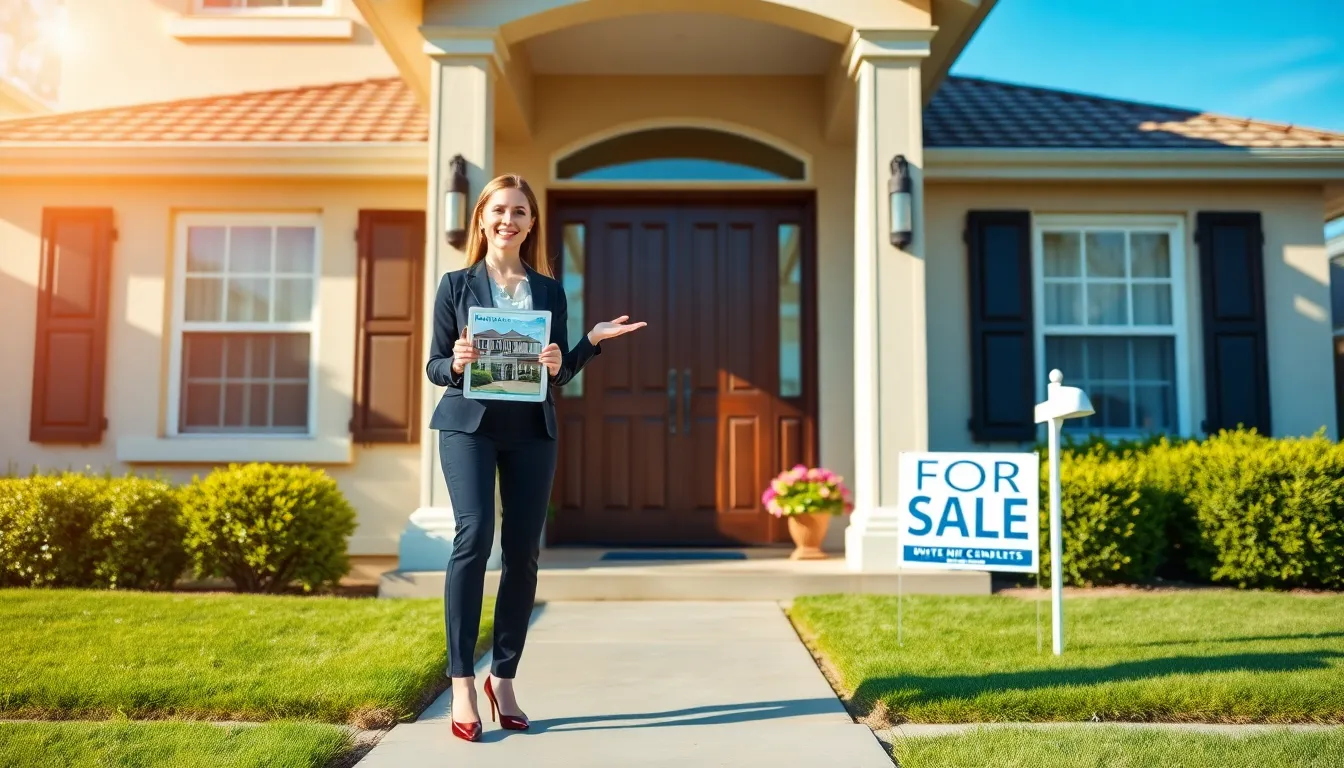
Selling a home requires more than just putting a “For Sale” sign in the yard. The right selling a home techniques can shave weeks off your timeline and add thousands to your final sale price. Whether the market favors buyers or sellers, certain strategies consistently produce better results.
This guide covers proven methods that help homeowners attract serious buyers, generate competitive offers, and close deals efficiently. From preparing a property for showings to handling negotiations, each step plays a role in the outcome. Sellers who understand these techniques gain a clear advantage over those who simply list and hope for the best.
Table of Contents
ToggleKey Takeaways
- Effective selling a home techniques start with preparation—declutter, deep clean, handle repairs, and boost curb appeal to make a strong first impression.
- Price your property strategically from day one using comparable sales data and market conditions to avoid overpricing and missing the critical first two weeks of buyer interest.
- Invest in professional photography and compelling listing descriptions since over 95% of buyers search for homes online.
- Make showings easy to schedule, stage rooms to highlight functionality, and create an inviting atmosphere to convert interest into offers.
- Evaluate offers based on more than price—consider contingencies, financing type, earnest money, and closing timelines when comparing buyers.
- Counter offers strategically and handle multiple offers fairly to maximize your final sale price and close the deal successfully.
Prepare Your Home to Make a Strong First Impression
First impressions determine whether buyers want to see more or move on to the next listing. Effective selling a home techniques start with preparation long before the first showing.
Declutter and Depersonalize
Buyers need to picture themselves living in the space. Family photos, collections, and personal items make that harder. Remove excess furniture to make rooms feel larger. Pack away anything that distracts from the home’s features.
Deep Clean Every Surface
A spotless home signals that owners have maintained the property well. Clean windows, scrub grout, polish fixtures, and steam carpets. Don’t forget overlooked areas like baseboards, light switches, and ceiling fans. The smell matters too, eliminate pet odors and avoid heavy air fresheners.
Handle Repairs and Updates
Small issues create doubt in buyers’ minds. Fix leaky faucets, patch nail holes, replace burnt-out bulbs, and touch up scuffed paint. Consider modest upgrades that offer strong returns: fresh interior paint, updated cabinet hardware, and modern light fixtures.
Boost Curb Appeal
Buyers form opinions before they step inside. Mow the lawn, trim bushes, power wash the driveway, and add colorful plants near the entrance. A freshly painted front door and clean house numbers make the property look cared for.
These preparation steps require effort, but they directly influence how much buyers will pay. Homes that show well sell faster and command higher prices.
Price Your Property Strategically From the Start
Pricing ranks among the most critical selling a home techniques. Set the price too high, and the listing sits on the market. Price too low, and money stays on the table.
Research Comparable Sales
Look at homes similar in size, condition, and location that sold within the past three to six months. These “comps” establish a realistic range. Online estimates provide a starting point, but they often miss local nuances.
Understand Current Market Conditions
A seller’s market, with low inventory and high demand, supports stronger pricing. A buyer’s market requires more competitive pricing to stand out. Days on market for recent sales reveal how quickly homes move in the area.
Avoid the Overpricing Trap
Sellers often want to “test the market” with a high price. This strategy usually backfires. Listings get the most attention during their first two weeks. Overpriced homes miss that window and end up chasing the market down with price reductions.
Consider Strategic Price Points
Buyers search in ranges. A home listed at $305,000 won’t appear in searches capped at $300,000. Pricing at $299,000 captures more potential buyers. This selling a home technique increases visibility without sacrificing value.
Working with a knowledgeable agent helps sellers interpret data and position their property competitively from day one.
Market Your Listing Across Multiple Channels
Getting maximum exposure requires a multi-channel approach. Strong selling a home techniques leverage both digital and traditional marketing methods.
Invest in Professional Photography
Over 95% of buyers use online searches during their home hunt. Low-quality photos make even great homes look mediocre. Professional photographers know how to capture spaces with proper lighting, angles, and editing. Drone shots showcase large lots or scenic surroundings.
Write Compelling Listing Descriptions
Descriptions should highlight features that matter to buyers: updated kitchens, large yards, proximity to good schools, or recent renovations. Use specific details rather than vague phrases. “New stainless steel appliances and quartz countertops” beats “beautiful kitchen.”
Leverage the MLS and Real Estate Portals
The Multiple Listing Service feeds listings to major sites like Zillow, Realtor.com, and Redfin. Ensure all fields are complete and accurate. Incomplete listings appear less credible.
Use Social Media Strategically
Facebook, Instagram, and local community groups extend reach beyond traditional channels. Video walkthroughs and virtual tours engage buyers who can’t visit in person immediately. Targeted ads can reach specific demographics likely to buy in the area.
Effective marketing generates more showings. More showings mean more potential offers and a better chance of selling a home quickly at a strong price.
Master Showings and Open House Events
Marketing brings buyers to the door. Showings and open houses determine whether they make offers.
Make Showings Easy to Schedule
Buyers have limited time. Sellers who restrict showing windows lose opportunities. Keep the home ready to show on short notice. Leave during showings so buyers feel comfortable exploring and discussing the property freely.
Stage for Success
Staging helps buyers visualize the home’s potential. Arrange furniture to highlight room flow and functionality. Add fresh flowers, set the dining table, and place fluffy towels in bathrooms. Professional staging services pay for themselves in many cases, but even DIY efforts help.
Create an Inviting Atmosphere
Open blinds to let in natural light. Set the thermostat to a comfortable temperature. Soft background music can create a pleasant vibe, but keep volume low. Avoid cooking strong-smelling foods before showings.
Plan Open Houses Thoughtfully
Open houses attract both serious buyers and curious neighbors. Weekend afternoons typically draw the largest crowds. Provide printed information sheets with property details, recent upgrades, and neighborhood amenities. Follow up with visitors who leave contact information.
These selling a home techniques transform casual interest into genuine offers.
Navigate Offers and Negotiations Successfully
Receiving an offer marks a milestone, but the deal isn’t done. Strong selling a home techniques include smart negotiation strategies.
Evaluate More Than Price
The highest offer isn’t always the best. Consider contingencies, financing type, earnest money amount, and proposed closing timeline. A cash offer at $295,000 might beat a financed offer at $300,000 with multiple contingencies.
Respond Promptly
Delaying responses frustrates buyers and can cost deals. Most offers include an expiration date. Even if a seller needs time to consider options, acknowledging receipt keeps communication open.
Counter Strategically
Few initial offers represent a buyer’s best terms. Counter offers allow sellers to negotiate price, closing costs, contingencies, or timelines. Keep negotiations professional and focused on reaching agreement rather than winning every point.
Handle Multiple Offers Wisely
Multiple offers create leverage but require careful management. Sellers can ask all buyers to submit their “highest and best” offers by a deadline. Transparency and fairness in this process protect the seller’s reputation and reduce the chance of deals falling through.
Prepare for Inspections and Appraisals
Buyer inspections often reveal issues that lead to repair requests or price adjustments. Sellers who addressed problems during preparation face fewer surprises. Appraisals protect lenders by confirming the home’s value supports the loan amount.
Good negotiation skills turn accepted offers into closed sales.