
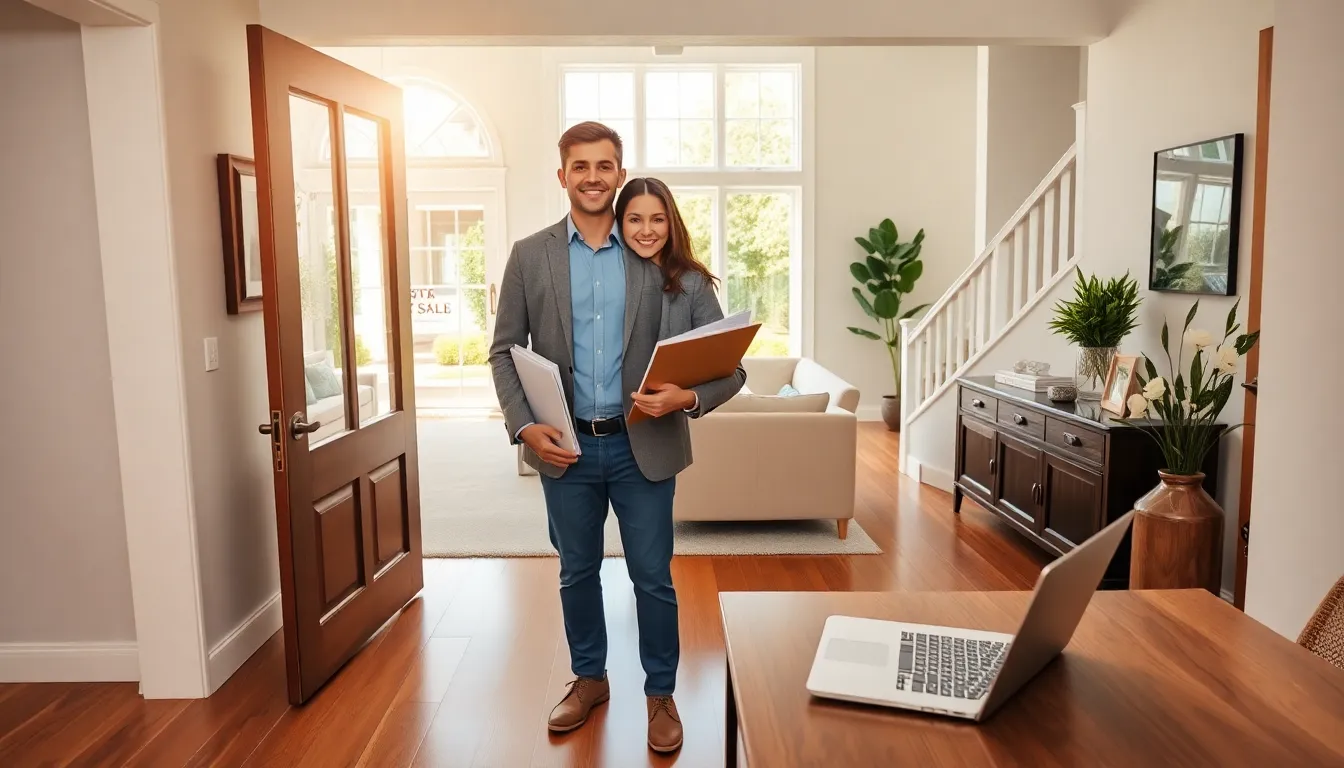
Selling a home for beginners can feel overwhelming at first. The process involves multiple steps, from preparing the property to signing final paperwork. First-time sellers often worry about pricing mistakes, slow markets, or missed details that cost them money.
This guide breaks down each stage of selling a home into clear, manageable steps. Readers will learn how to prepare their property, set a competitive price, market effectively, handle offers, and close the deal. Whether someone plans to work with an agent or sell independently, these fundamentals apply to every home sale.
Table of Contents
ToggleKey Takeaways
- Selling a home for beginners starts with preparation—declutter, make repairs, deep clean, and boost curb appeal to attract buyers.
- Price your home objectively using comparable sales and market conditions, not emotional attachment or renovation costs.
- Invest in professional photography and compelling listing descriptions to stand out in online searches.
- Evaluate offers beyond just price—consider contingencies, closing timelines, and financing terms before responding.
- Expect the closing process to take 30 to 60 days, involving appraisals, title searches, and final paperwork.
- Treat selling a home as a business transaction by staying calm and professional throughout negotiations.
Preparing Your Home for Sale
Preparation makes or breaks a home sale. Buyers form opinions within seconds of walking through the door, or even sooner, based on listing photos. Smart preparation increases both interest and final sale price.
Declutter and Depersonalize
Remove excess furniture, personal photos, and collections. Buyers need to picture themselves living in the space. A cluttered room looks smaller and distracts from the home’s actual features. Consider renting a storage unit for items that won’t fit during the selling period.
Make Necessary Repairs
Fix leaky faucets, squeaky doors, cracked tiles, and peeling paint. Small issues signal neglect to buyers, and they’ll wonder what larger problems exist. A pre-listing inspection can identify hidden issues before buyers discover them during their own inspection.
Deep Clean Everything
Hire professional cleaners if possible. Pay special attention to kitchens, bathrooms, windows, and carpets. Clean homes photograph better and leave positive impressions during showings.
Boost Curb Appeal
The exterior creates the first impression. Mow the lawn, trim bushes, plant flowers, and power wash the driveway. A fresh coat of paint on the front door costs little but adds noticeable appeal. Selling a home successfully starts before buyers even step inside.
Setting the Right Asking Price
Pricing determines how quickly a home sells and how much money the seller receives. Price too high, and the listing sits on the market. Price too low, and the seller leaves money on the table.
Research Comparable Sales
Look at recent sales of similar homes in the same neighborhood. These “comps” provide the best pricing data. Compare square footage, bedroom count, lot size, condition, and upgrades. Online tools offer estimates, but they don’t account for local nuances.
Consider Market Conditions
A seller’s market (more buyers than homes) supports higher prices. A buyer’s market (more homes than buyers) requires competitive pricing. Check average days on market and the ratio of list price to sale price in the area.
Get a Professional Opinion
Real estate agents provide comparative market analyses at no cost. Appraisers offer formal valuations for a fee. Both perspectives help sellers avoid pricing mistakes that slow down the sale.
Avoid Emotional Pricing
Sellers often overvalue their homes based on memories or renovation costs. Buyers don’t care that the kitchen remodel cost $50,000, they care whether the home meets their needs at a fair price. Selling a home requires objectivity about its market value.
Marketing Your Property Effectively
Great marketing attracts more buyers, which often leads to better offers. A well-marketed home stands out in crowded listings and generates showing requests quickly.
Invest in Professional Photography
Most buyers start their search online. Dark, blurry, or poorly composed photos send them scrolling past. Professional photographers know how to capture rooms at flattering angles with proper lighting. Some sellers also add virtual tours or drone footage for additional appeal.
Write a Compelling Listing Description
Highlight the home’s best features: updated kitchen, large backyard, walkable neighborhood, new roof. Use specific details rather than vague praise. “Granite countertops and stainless steel appliances” works better than “beautiful kitchen.”
List on Multiple Platforms
The Multiple Listing Service (MLS) syndicates to major real estate websites. Social media, neighborhood groups, and yard signs expand reach further. Some sellers host open houses to attract multiple buyers at once.
Time the Listing Strategically
Spring and early summer typically see the most buyer activity. Thursdays and Fridays are popular listing days because buyers schedule weekend showings. But, serious buyers exist year-round, so don’t delay indefinitely waiting for perfect timing.
Navigating Offers and Negotiations
Receiving an offer marks an exciting milestone. But the first offer rarely becomes the final agreement. Negotiations determine the actual terms of sale.
Review More Than Just Price
Offers include contingencies, closing timelines, financing terms, and requests for seller concessions. A slightly lower offer with fewer contingencies and faster closing might be better than a higher offer loaded with conditions.
Respond Strategically
Sellers can accept, reject, or counter any offer. Countering keeps negotiations open while signaling what terms the seller needs. Multiple offers create leverage, let buyers know they’re competing.
Understand Common Contingencies
Inspection contingencies let buyers back out if they find problems. Financing contingencies protect buyers whose loans fall through. Appraisal contingencies address situations where the bank’s valuation comes in low. Each contingency adds risk for the seller.
Keep Emotions in Check
Lowball offers feel insulting, but they’re part of the process. Buyers test sellers to see how motivated they are. A calm, professional response keeps the door open for productive negotiations. Selling a home means treating it as a business transaction.
Understanding the Closing Process
Closing transfers ownership from seller to buyer. This final stage involves paperwork, money transfers, and several third parties working together.
What Happens Before Closing Day
The buyer’s lender orders an appraisal. A title company searches for liens or ownership disputes. The buyer conducts a final walkthrough to verify the home’s condition. Both parties sign disclosures and agreements.
Seller Responsibilities
Sellers must provide clear title to the property. They pay off existing mortgages, liens, and any agreed-upon repairs. Sellers also cover their portion of closing costs, which typically include agent commissions, transfer taxes, and prorated property taxes.
What to Expect at Closing
Closing takes place at a title company, attorney’s office, or escrow company. Sellers sign the deed, settlement statement, and other documents. Once everything clears, the proceeds go to the seller (minus costs and mortgage payoff).
Timeline Expectations
Most closings occur 30 to 60 days after accepting an offer. Cash buyers can close faster because they skip the mortgage approval process. Delays happen when appraisals come in low, inspections reveal problems, or financing falls through.