
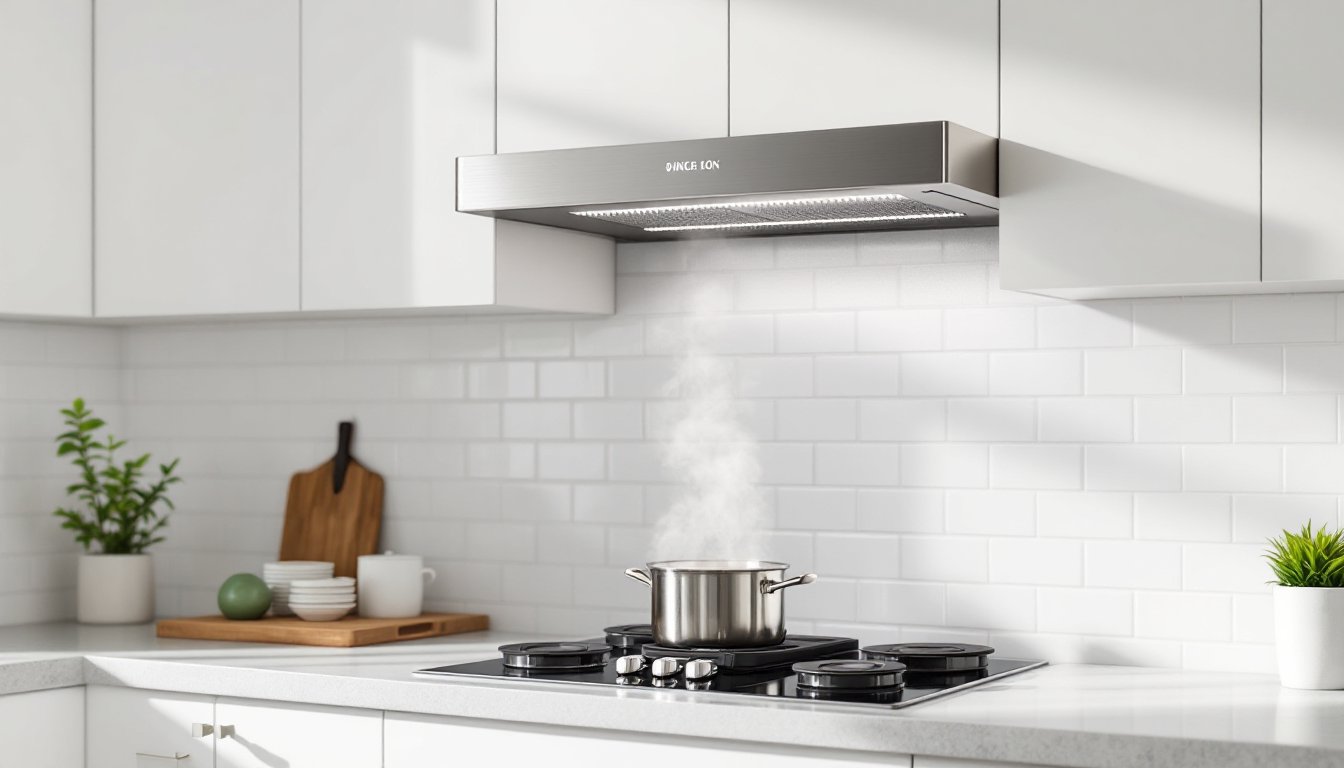
Standard range hoods can overwhelm a small kitchen or clash with modern design. Low profile range hoods solve that problem by tucking ventilation power into a sleek, space-saving form factor. They clear smoke and grease just like taller models but stay out of sight, ideal for kitchens with low ceilings, tight cabinet runs, or minimalist aesthetics. Whether someone’s renovating a galley kitchen or upgrading appliances in a condo, understanding the options, installation requirements, and maintenance routines helps ensure they get effective ventilation without sacrificing headroom or style.
Table of Contents
ToggleKey Takeaways
- A low profile range hood typically measures 6 to 10 inches in height and solves the problem of traditional range hoods overwhelming small kitchens or clashing with modern design aesthetics.
- Low profile range hoods work in both ducted (exhausting air outside) and recirculating (filtering and returning air) modes, with ducted installation providing stronger odor and moisture removal.
- For typical home cooking, a 200- to 400-CFM unit keeps the kitchen comfortable, though the International Residential Code recommends a minimum of 100 CFM per linear foot of cooktop.
- Under-cabinet models are ideal for retrofits and come in 24, 30, and 36-inch standard widths, while insert hoods offer more design flexibility but require precise carpentry work.
- Proper installation involves mounting the hood 18 to 24 inches above an electric cooktop or 24 to 30 inches above a gas range, using rigid metal ductwork to minimize airflow loss.
- Regular maintenance—cleaning grease filters every 2 to 4 weeks and replacing charcoal filters every 3 to 6 months—prevents fire hazards and ensures your low profile range hood operates at peak efficiency.
What Is a Low Profile Range Hood and Why Choose One?
A low profile range hood (also called a slim or compact hood) typically measures 6 to 10 inches in height, compared to the 12- to 18-inch depth of traditional under-cabinet models. It mounts beneath upper cabinets or directly to the wall, capturing cooking fumes, steam, and airborne grease through a combination of fans and filters.
These hoods work well in kitchens where vertical clearance is tight, think condos with 7- or 8-foot ceilings, or homes where someone installed tall upper cabinets for extra storage. A low profile design also suits contemporary kitchens that favor clean horizontal lines over bulky vertical elements.
Most units offer two ventilation modes: ducted (exhausting air outside) or recirculating (filtering air and returning it to the kitchen). Ducted installation always provides stronger odor and moisture removal, but recirculating works when running ductwork isn’t feasible. Check local building codes, some jurisdictions require mechanical ventilation for gas ranges, and the International Residential Code (IRC) recommends a minimum airflow of 100 CFM for a standard 30-inch range.
A low profile hood won’t handle heavy-duty cooking as effectively as a 600-CFM chimney-style hood, but for typical home use, sautéing, boiling pasta, occasional stir-frying, a 200- to 400-CFM unit keeps the kitchen comfortable and surfaces cleaner.
Types of Low Profile Range Hoods for Your Kitchen
Under-Cabinet Models
Under-cabinet range hoods sit flush against the bottom of an existing wall cabinet, making them the go-to choice for retrofit projects. They come in standard widths, 24, 30, and 36 inches, to match common cooktop sizes.
Installation requires minimal carpentry. The hood mounts to the cabinet bottom with screws and either connects to a 3¼ × 10-inch rectangular duct (routed through the cabinet and wall) or operates in recirculating mode with charcoal filters. Most models include halogen or LED task lighting, which doubles as primary workspace illumination if the overhead fixture is weak.
Look for units with telescoping ductwork adapters, they simplify alignment during solo installations. These hoods typically pull 180 to 300 CFM and run at 3 to 6 sones on high speed. For reference, a refrigerator hums at about 1 sone, so expect noticeable fan noise during heavy use.
Insert and Built-In Options
Insert hoods (also called liners or power packs) are bare ventilation units designed to slide into a custom cabinet or decorative enclosure. They’re popular in semi-custom and high-end kitchens where the homeowner or designer wants to build a wood or panel surround that matches the cabinetry.
The insert itself is usually stainless steel with a blower, lights, and controls. It mounts inside a wood box or drywall chase built above the range. This approach hides the mechanics while keeping the profile low, the visible portion can be as slim as 6 inches if the enclosure is shallow.
Built-in hoods take the concept further by integrating the blower into the cabinet structure itself. Some high-end European brands offer downdraft and ceiling-mounted options, but those fall outside the low profile category and require significant custom work.
Inserts demand more carpentry skill than under-cabinet models. The enclosure must be square, level, and sized precisely to the insert’s dimensions, usually within ⅛ inch. Anyone comfortable framing a simple box with ¾-inch plywood and some 1× trim can handle it, but it’s not a one-hour job.
Key Features to Look for When Buying a Low Profile Range Hood
CFM (cubic feet per minute) measures airflow. A general rule is 100 CFM per linear foot of cooktop. A 30-inch (2.5-foot) range needs at least 250 CFM. Gas ranges and high-BTU burners require more. Don’t over-spec in a recirculating setup, excess airflow just makes noise if there’s no duct.
Sone rating indicates sound level. Anything under 4 sones is tolerable for most people: above 6 sones starts to interfere with conversation. Inline or external blowers reduce kitchen noise by moving the motor into the attic or outside wall, but they add cost and installation complexity.
Filter type matters for maintenance. Baffle filters (stainless steel slats) capture grease efficiently and are dishwasher-safe. Mesh filters are cheaper but harder to clean. Recirculating hoods add charcoal filters to trap odors: these aren’t washable and need replacement every 3 to 6 months depending on use.
Lighting varies from basic incandescent bulbs to LED strips. LED runs cooler, lasts longer, and won’t add heat to the cooking zone. Some models offer dimming or color temperature adjustment, handy if the hood light serves as ambient evening lighting.
Control type ranges from push buttons to touch panels and remote controls. For kitchen organization and ease of use, simpler is often better. Touch panels look sleek but can be harder to operate with wet or greasy hands.
Duct compatibility is critical. Confirm whether the hood accepts round or rectangular ductwork, and check the transition fittings included. A 6-inch round duct is common for lower-CFM units: 3¼ × 10-inch rectangular fits better in tight wall cavities. Avoid flexible duct for runs longer than a couple feet, it restricts airflow and collects grease.
Installation Tips for Low Profile Range Hoods
Turn off power at the breaker before starting. Most range hoods require a dedicated 120V circuit. If the existing wiring isn’t up to code or there’s no outlet in the cabinet, hire a licensed electrician. The National Electrical Code (NEC) doesn’t allow hardwiring appliances unless they’re permanently mounted and code-compliant.
Measure twice. The hood bottom should sit 18 to 24 inches above an electric cooktop, 24 to 30 inches above a gas range. Closer improves capture efficiency but risks heat damage to the hood: farther reduces effectiveness. Mark the centerline of the range on the wall and transfer it to the cabinet bottom.
Template and drill. Most hoods include a paper template for screw holes and duct cutouts. Tape it in place, double-check alignment with a level, then drill pilot holes with a ⅛-inch bit. For duct holes, use a jigsaw for rectangular openings or a hole saw for round. Wear safety goggles and a dust mask, cutting laminate and particleboard throws fine dust.
Run ductwork before mounting the hood. Route rigid metal duct through the cabinet, wall, or soffit to the exterior. Keep runs short and minimize elbows, every 90-degree turn cuts airflow by roughly 25 CFM. Seal joints with foil duct tape (not cloth “duct tape”), and insulate ducts in unconditioned spaces to prevent condensation.
Secure the hood with the manufacturer’s screws, usually #8 or #10 sheet metal screws into the cabinet bottom or wall studs. If mounting to drywall without studs, use toggle bolts rated for 50 pounds. Some models weigh 20 to 30 pounds, and vibration from the fan can loosen inadequate fasteners over time.
Connect wiring. Match black to black (hot), white to white (neutral), and green or bare copper to ground. Use wire nuts rated for the wire gauge (typically 14 AWG for 15-amp circuits). Tuck wires neatly into the junction box and close the cover.
Test before closing up. Turn the breaker back on, switch the hood to high, and check for vibration or unusual noise. Hold a tissue near the intake, it should pull firmly against the grille. If it doesn’t, recheck duct connections and damper operation. According to home improvement experts, a properly installed hood should reduce visible steam within seconds of turning it on.
Maintenance and Cleaning Best Practices
Clean grease filters every 2 to 4 weeks for regular use, weekly for heavy cooking. Pull the filters out (most slide or unlatch) and run them through the dishwasher on a hot cycle, or soak in a sink with hot water and degreasing dish soap for 15 minutes, then scrub with a nylon brush. Rinse and air-dry completely before reinstalling.
Skipping filter cleaning reduces airflow and creates a fire hazard, grease buildup can ignite if flames reach the hood. Some commercial kitchens are required to clean hoods monthly: home codes are less strict, but the principle holds.
Replace charcoal filters in recirculating hoods every 3 to 6 months. They can’t be washed. Mark the replacement date on a calendar or set a phone reminder. Most filters cost $15 to $30 per pair.
Wipe down exterior surfaces weekly with a microfiber cloth and stainless steel cleaner (if applicable). Avoid abrasive pads, they scratch brushed finishes. For stubborn grease on painted or powder-coated hoods, use a diluted all-purpose cleaner and a soft sponge.
Inspect ductwork annually. Remove the exterior vent cap and look for grease buildup or blockages (leaves, bird nests). A flashlight and flexible dryer vent brush can clear light obstructions. Heavy buildup may require professional duct cleaning, especially in long or complex runs. Studies by appliance testing organizations show that clogged ducts can reduce ventilation efficiency by 50 percent or more.
Check fan operation. If the motor sounds louder than usual or airflow weakens, the bearings may be wearing out. Most low profile hoods use squirrel-cage blowers, they’re not user-serviceable, but replacements are available from the manufacturer. Warranty coverage varies, so keep purchase records and model numbers handy.
Safety note: Always disconnect power before removing panels or accessing internal components. Even with the switch off, live voltage may be present at the junction box.