
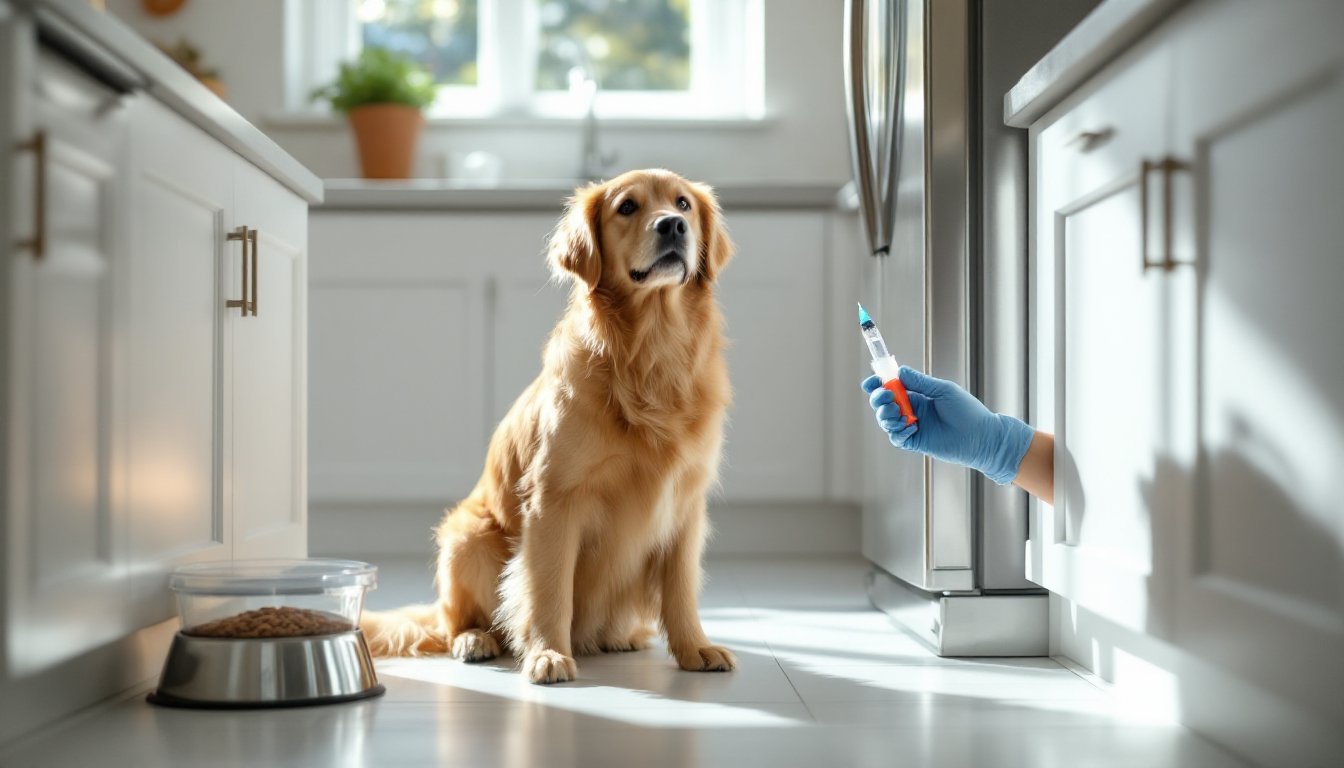
Finding an effective roach killer that won’t harm a dog, cat, or other pet is one of the trickier balancing acts in home pest control. Traditional roach sprays and foggers contain pyrethroids and other chemicals that can cause drooling, tremors, or worse if pets lick treated surfaces or ingest dead insects. But ignoring a roach problem isn’t an option, cockroaches spread bacteria, trigger allergies, and reproduce fast. The good news: several professional-grade and natural products now deliver real results without turning the home into a no-go zone for four-legged family members. This guide covers the safest, most effective roach killers for homes with pets, plus application and prevention strategies to keep infestations from coming back.
Table of Contents
ToggleKey Takeaways
- Gel baits like Advion and Vendetta Plus are the gold standard for pet-safe roach killer, with very low mammalian toxicity and strategic placement in inaccessible areas minimizing pet exposure risk.
- Natural alternatives such as food-grade diatomaceous earth and boric acid dust offer non-toxic options for households with puppies or kittens, though they work more slowly than chemical baits.
- The best roach killer for homes with pets requires pairing effective product choice with rigorous sanitation, moisture control, and exclusion to prevent reinfestation.
- Avoid foggers, broadcast sprays, and products with pyrethroids, which can cause tremors and gastrointestinal upset in pets, especially cats that lack certain liver enzymes.
- Always apply roach killer in cracks, crevices, and inaccessible locations; remove pets from treatment areas for 2–4 hours; and store products in locked cabinets to prevent accidental ingestion.
- Eliminate roaches’ three basic needs—food, water, and shelter—by sealing entry points, fixing leaks, removing cardboard storage, and cleaning pet food bowls nightly for long-term prevention.
Why Pet-Safe Roach Control Matters
Standard roach killers often rely on neurotoxic insecticides like cypermethrin or bifenthrin that target both pests and, unfortunately, mammals. Pets explore the world with their mouths, licking floors, grooming paws, and sometimes eating dead bugs, which puts them at higher exposure risk than humans. Cats are especially vulnerable because they lack certain liver enzymes that metabolize pyrethroids. Dogs can suffer gastrointestinal upset or tremors from ingesting bait stations not designed with tamper resistance.
Roaches themselves pose health risks: they carry Salmonella, E. coli, and allergens that can trigger asthma in both people and pets. So doing nothing isn’t a solution. The key is choosing products with low mammalian toxicity, applying them in places pets can’t access, and using mechanical or natural methods whenever possible. Professional pest control operators increasingly recommend gel baits, boric acid dust, and IGR (insect growth regulator) products for homes with pets because these target roaches specifically and reduce broadcast chemical exposure.
Before choosing any product, check the active ingredient and EPA registration. Look for formulations labeled “pet-safe when used as directed” and avoid foggers or liquid sprays that coat large surface areas. If the infestation is severe, especially in kitchens or behind appliances, consider consulting a licensed pest control professional who can apply commercial-grade baits in wall voids and other inaccessible zones.
Top Pet-Safe Roach Killers for Your Home
Gel Baits: Targeted and Low-Risk
Gel baits are the gold standard for pet-friendly roach control. Products like Advion Cockroach Gel Bait (active ingredient: indoxacarb) and Vendetta Plus (abamectin) use slow-acting insecticides that roaches carry back to their harborage, killing the colony through secondary transfer. Indoxacarb has very low mammalian toxicity, the LD₅₀ (lethal dose) in rats is over 200 mg/kg, far higher than typical pet exposure from a bead of gel.
Apply gel in pea-sized dots behind appliances, under sinks, inside cabinet hinges, and along baseboards, places roaches travel but pets don’t typically access. The gel dries to a tacky consistency, so it’s less likely to be licked than liquid residue. One syringe treats an average kitchen for three to six months. Advion works on German, American, and Oriental roach species and remains effective even when roaches have developed resistance to older baits.
For maximum safety, place gel inside crack-and-crevice applicator tips or behind outlet covers (power off first). Never apply gel on countertops or floors where pets walk. If a pet does ingest a small amount, the EPA considers indoxacarb and abamectin low enough risk that serious poisoning is rare, but contact a vet if tremors or vomiting occur.
Natural and Non-Toxic Solutions
When chemical tolerance is zero, households with puppies, kittens, or exotic pets, boric acid dust, diatomaceous earth (DE), and essential oil sprays offer non-toxic alternatives, though they work more slowly.
Boric acid (often sold as Roach Prufe or Harris Boric Acid Powder) is a mineral compound that damages roach exoskeletons and digestive systems. It’s toxic to insects but has low mammalian toxicity: the LD₅₀ in rats is around 2,660 mg/kg. Apply a thin layer, think flour dusting, not snowdrift, in wall voids, behind appliances, and under baseboards using a bulb duster. Keep it dry: moisture reduces effectiveness. Avoid applying where pets can walk through it and track powder onto paws they’ll lick.
Food-grade diatomaceous earth is another mechanical killer: microscopic silica shards abrade roach cuticles, causing dehydration. It’s safe enough that it’s used in grain storage and pet food manufacturing, though inhaling large amounts can irritate lungs in both pets and humans. Wear a dust mask (N95 or better) during application and keep pets out of the room until dust settles, about two hours. DE works best in dry environments and loses efficacy in humid climates.
Essential oil sprays (peppermint, cedarwood, or tea tree) repel roaches but rarely kill them. They’re best used as part of a broader strategy, not as standalone solutions. Many home maintenance checklists recommend pairing natural repellents with sanitation and exclusion for long-term control. Be cautious with cats: tea tree oil is toxic to felines even in small amounts, so stick to peppermint or cedarwood if using sprays.
Sticky traps (Victor Roach Traps, Black Flag) are completely non-toxic and useful for monitoring activity. Place them under sinks, near water heaters, and in corners. They won’t eliminate an infestation but help identify hotspots and gauge whether other treatments are working.
How to Apply Roach Killer Safely Around Pets
Application technique matters as much as product choice. Start by removing pets from the treatment area for at least two to four hours, longer if using sprays or powders. Close doors or use baby gates to block access.
For gel baits, apply in cracks, crevices, and voids using the included syringe tip. Professional reviews on pest control methods emphasize placement over quantity, ten small dots strategically placed outperform a single large puddle. Check baits weekly and reapply if roaches have consumed them or if dried gel has hardened beyond palatability.
When dusting boric acid or DE, wear gloves and a mask. Use a bulb duster or paintbrush to create a barely visible layer. Over-application causes roaches to avoid the treated area (they can detect heavy powder) and increases the chance pets will contact it. Focus on voids behind dishwashers, under stoves, and inside wall cavities accessed through outlet holes (power off at breaker first).
If using bait stations (Combat, Hot Shot), anchor them with mounting tape in cabinets or behind furniture. Choose stations with tamper-resistant caps, models that require twisting or prying to open. Even so, a determined dog can chew through plastic, so place them high or in spaces too narrow for a snout.
After application, ventilate the area if you’ve used sprays or powders. Wipe down any surfaces pets contact, counters, floors, pet bowls, with damp paper towels. Store unused products in their original containers, out of reach in a locked cabinet or high shelf. Label syringes or bottles clearly to avoid confusion with pet medications.
Never combine multiple insecticides in the same area without understanding their interactions. Mixing a gel bait with a repellent spray can drive roaches away from the bait, defeating the purpose. Stick to one method per zone and give it two to three weeks to work before adding another product.
Prevention Tips to Keep Roaches Away for Good
Even the best roach killer is a short-term fix if the home remains welcoming to pests. Roaches need three things: food, water, and shelter. Eliminate those, and populations crash.
Sanitation is priority one. Clean pet food bowls nightly and store dry kibble in sealed plastic or metal containers, not the original bag, which roaches can chew through. Sweep up crumbs and spills immediately. Roaches can survive on microscopic food particles, so wipe down counters, stovetops, and behind appliances with a degreaser. Empty trash daily and use bins with tight-fitting lids.
Fix leaks under sinks, around toilets, and behind washing machines. A single dripping faucet provides enough moisture for dozens of roaches. Use a moisture meter (available for under $20) to check crawl spaces and basements for dampness. Run a dehumidifier if relative humidity exceeds 50%.
Seal entry points. Roaches slip through gaps as thin as 1/16 inch, about the thickness of a dime. Caulk cracks along baseboards, around pipes, and behind cabinets with silicone or acrylic latex caulk. Install door sweeps on exterior doors and check weatherstripping on windows. Expand foam works for larger gaps around plumbing penetrations, but trim excess once cured so it doesn’t create new hiding spots.
Declutter storage areas. Cardboard boxes, stacks of newspaper, and piles of laundry offer ideal harborage. Switch to plastic storage bins with snap lids. Keep garage and basement items on shelves, not directly on the floor.
Schedule routine inspections, especially in high-risk zones: under kitchen sinks, behind refrigerators, and in laundry rooms. Catching an infestation early, when you’re dealing with a dozen roaches instead of hundreds, makes pet-safe control far easier. Many homeowners find that connecting with trusted resources through contractor networks helps them get seasonal pest inspections from licensed professionals at reasonable rates.
Conclusion
Controlling roaches in a home with pets doesn’t require choosing between effectiveness and safety. Gel baits, boric acid, and diatomaceous earth deliver real results when applied correctly, and all carry far less risk than broadcast sprays or foggers. Pair smart product choices with rigorous sanitation, moisture control, and exclusion, and most homeowners can eliminate roaches without ever exposing their pets to high-toxicity chemicals. For severe infestations or if DIY methods aren’t working after four weeks, bring in a licensed pest control operator who can apply commercial-grade baits in wall voids and other inaccessible areas, spaces where pets never venture and treatments last months.