
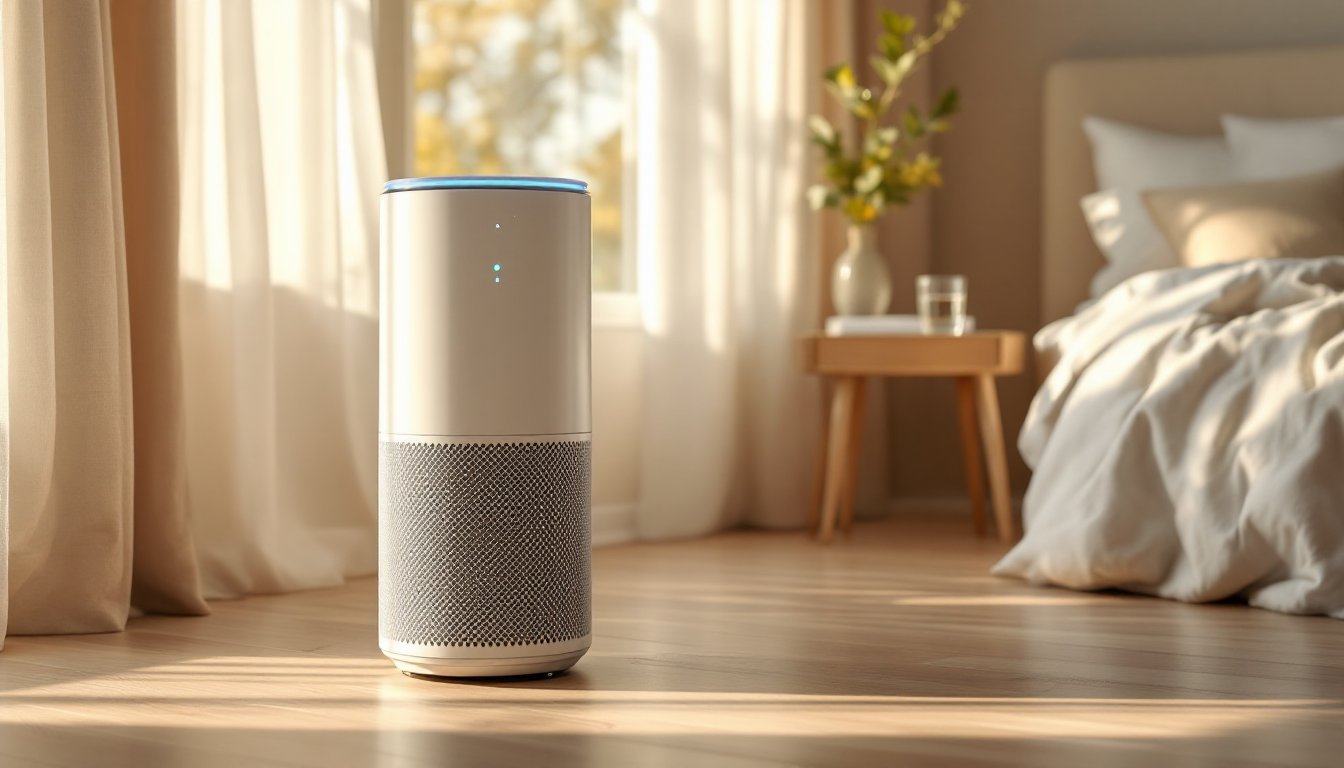
The term “medical grade” gets thrown around a lot in air purifier marketing, but what does it actually mean for a homeowner shopping for cleaner air? Unlike consumer-grade units found in big-box stores, medical grade air purifiers meet stricter filtration standards and are designed to remove pathogens, allergens, and ultrafine particles that most standard filters miss. They’re not just for hospitals anymore. With respiratory health becoming a bigger priority, especially for families managing allergies, asthma, or immune sensitivities, investing in a unit that delivers clinical-level air quality makes sense. This guide cuts through the marketing hype and walks through what to look for, who benefits most, and how to actually use these systems effectively in a residential setting.
Table of Contents
ToggleKey Takeaways
- Medical grade air purifiers use True HEPA H13 or H14 filters certified to capture 99.95–99.995% of particles down to 0.3 microns, significantly outperforming standard consumer-grade filters.
- A medical grade air purifier should achieve at least 4–5 air changes per hour (ACH) in your target room and feature a sealed system design with robust carbon filtration for maximum effectiveness.
- Families managing asthma, allergies, immunocompromised conditions, or homes with newborns benefit most, as clinical-level air quality reduces airborne pathogens and allergen triggers.
- Proper placement in the center of the room, continuous 24/7 operation, and monthly sensor maintenance are critical to maintaining the purifier’s performance and cost-efficiency.
- Budget $100–$300 annually for filter replacements and expect 12–18 months between HEPA filter changes, with ongoing pre-filter maintenance ensuring long-term reliability.
- Look for independent HEPA certifications, sealed gasket designs, and at least a 2-year warranty to ensure your medical grade investment delivers hospital-level filtration and durability.
What Makes an Air Purifier ‘Medical Grade’?
Medical grade air purifiers aren’t a regulated consumer category, but the term generally refers to units that use True HEPA H13 or H14 filters certified to capture at least 99.95% to 99.995% of particles down to 0.3 microns, including bacteria, mold spores, and many viruses. Standard HEPA filters (sometimes labeled H11 or H12) stop at 99.5% to 99.95%, which sounds close but leaves more contaminants in circulation.
Beyond filtration efficiency, medical grade units typically include activated carbon stages for volatile organic compounds (VOCs), formaldehyde, and odors, plus pre-filters to catch larger debris like pet dander and dust. Some incorporate UV-C sterilization or ionizers, though these features should be secondary to HEPA performance. UV-C can help neutralize pathogens on surfaces inside the unit, but it’s not a replacement for proper filtration.
Another defining trait: air changes per hour (ACH). Medical and clinical environments often target 6+ ACH, meaning the unit filters the entire room volume six times every hour. For home use, 4-5 ACH in a bedroom or main living space is realistic and effective. If a unit can’t achieve at least 2 ACH in your target room, it’s underpowered regardless of its filter grade.
Finally, medical grade purifiers are built for continuous operation. They run quieter at sustained speeds, use motors rated for 24/7 use, and include real-time air quality sensors with automatic speed adjustments. These aren’t occasional-use gadgets, they’re engineered to maintain consistent air quality around the clock.
Who Benefits Most from Medical Grade Air Purification?
Not every home needs hospital-level filtration, but certain situations make the investment worthwhile. Asthma and allergy sufferers see the most immediate benefit. True HEPA H13 filters capture pollen, dust mites, pet dander, and mold spores that trigger symptoms, often reducing reliance on medication when combined with other environmental controls.
Immunocompromised individuals, including those undergoing chemotherapy, living with autoimmune conditions, or recovering from surgery, need protection from airborne pathogens. Medical grade units reduce bacterial and viral load in the home, creating a safer environment during vulnerable periods. If a family member has a compromised immune system, this isn’t optional: it’s part of the care plan.
Homes with newborns or young children benefit as well. Infants’ developing respiratory systems are more susceptible to pollutants, and poor indoor air quality has been linked to increased asthma risk. A medical grade purifier in the nursery or main living area provides a buffer, especially in older homes with dust, mold, or renovation debris.
Smokers or homes near wildfire zones also justify the upgrade. Cigarette smoke and wildfire particulates include ultrafine particles and VOCs that penetrate deep into lung tissue. Standard purifiers struggle with smoke: medical grade units with robust carbon filtration and high CADR ratings handle it more effectively. That said, no purifier eliminates the health risks of smoking indoors, it only mitigates them.
Finally, urban dwellers in high-pollution areas or homes near industrial sites, highways, or airports face constant exposure to particulate matter (PM2.5 and PM10) and diesel exhaust. A medical grade system running continuously can reduce indoor pollution to levels far below outdoor air, which matters when outdoor air quality indexes regularly hit “unhealthy” thresholds.
Key Features to Look for When Shopping
HEPA Filtration Standards
True HEPA certification matters. Look for H13 or H14 filters specifically, not “HEPA-type” or “HEPA-like” language, which are marketing terms with no standardized meaning. Some manufacturers publish independent test results from labs like Good Housekeeping’s appliance testing to verify their claims, these reports are worth reviewing before buying.
Pay attention to sealed system design. If air can bypass the HEPA filter through gaps in the housing, filtration efficiency drops. Medical grade units use gaskets and sealed filter frames to force all air through the filtration stages. Cheaper units often have leaky housings that undermine their specs.
Carbon filter weight and thickness also matter for VOC removal. A thin carbon layer won’t do much: look for units with at least 1-2 pounds of activated carbon in a dedicated stage. Some advanced models use pelletized or catalytic carbon for better adsorption of formaldehyde and other gases.
Room Size and CADR Ratings
Clean Air Delivery Rate (CADR) measures how much filtered air a purifier delivers per minute, expressed in cubic feet per minute (CFM) for smoke, dust, and pollen. To size a unit correctly, calculate the room’s cubic footage (length × width × ceiling height), then multiply by your target ACH (aim for 4-5).
For example: A 12′ × 15′ bedroom with 8′ ceilings = 1,440 cubic feet. For 4 ACH, you need 5,760 cubic feet per hour, or 96 CFM minimum CADR. Many manufacturers list maximum room size instead of CADR, but CADR gives a more accurate performance picture. If they don’t publish CADR, that’s a red flag.
Oversizing slightly is smarter than undersizing. A unit rated for 400 square feet will run quieter and more efficiently in a 300-square-foot room than a unit rated exactly for 300 square feet running at max speed constantly. Noise levels matter if the purifier will be in a bedroom or home office, check decibel ratings at various speeds.
Installation and Placement Tips for Maximum Effectiveness
Medical grade air purifiers are plug-and-play, but placement directly affects performance. Position the unit in the center of the room if possible, or at least 1-2 feet away from walls and furniture. Air needs to circulate freely around the intake and exhaust vents. Tucking it into a corner or behind a couch starves the intake and reduces CADR by 20-30%.
Avoid placing purifiers near HVAC vents or windows. Forced air from ducts or drafts from windows disrupts the unit’s airflow pattern and can recirculate unfiltered air. If the room has a ceiling fan, that’s fine, it helps distribute purified air, but don’t position the purifier directly underneath.
For multi-story homes, prioritize bedrooms and main living areas over hallways or basements. Most people spend 6-8 hours per night in the bedroom: that’s where air quality impacts health most. If budget allows for only one unit, put it in the bedroom. If you can afford two, add a second in the family room or kitchen, where cooking and activity stir up particulates.
Run the unit continuously, even when you’re not home. Contaminants accumulate constantly, and intermittent operation means air quality swings instead of staying consistently clean. Most medical grade purifiers have auto modes that adjust fan speed based on real-time particle sensors, use that feature. It saves energy while maintaining target air quality.
In rooms with high ceilings (10 feet or more), place the purifier at floor level. Dust and heavier particles settle downward, so the intake should be positioned to catch them. For airborne allergens and smoke, mid-room height works, but most units are floor-standing anyway. Wall-mounted units are rare in the medical grade category and generally less effective due to limited filter size.
Maintenance Requirements and Long-Term Costs
Medical grade filtration isn’t set-it-and-forget-it. HEPA filters typically need replacement every 12-18 months depending on air quality and runtime. Carbon filters wear out faster, usually 6-12 months, because they become saturated with VOCs and odors. Pre-filters, if washable, should be cleaned monthly: disposable pre-filters need replacement every 3 months.
Filter costs add up. Budget $100-$300 per year for replacement filters on most medical grade units. Some manufacturers sell filters in bundles or subscriptions at a discount: that’s worth checking. Knockoff filters from third-party sellers might fit, but they often use lower-grade media that defeats the purpose of owning a medical grade system.
Clean the exterior and sensors monthly. Dust buildup on particle sensors gives false readings and can trigger unnecessary high-speed operation, wasting energy. Use a microfiber cloth, no cleaners, on the sensor lens. Wipe down the housing to prevent dust from recirculating into the intake.
Some units include filter life indicators based on runtime or actual particle load. Trust those over arbitrary timelines. If the indicator says the HEPA filter is at 80% capacity after 10 months, replace it. Running a clogged filter reduces airflow, increases motor strain, and cuts CADR significantly.
Energy consumption for medical grade purifiers ranges from 20 to 100 watts depending on fan speed and room size. At $0.15 per kWh, continuous operation costs roughly $2-$12 per month. That’s comparable to running a couple of LED bulbs 24/7, not a budget killer, but worth factoring into total ownership cost.
Warranties matter. Look for at least a 2-year warranty covering motor and electronics. Medical grade units are built for durability, but motors can fail, and circuit boards can glitch. A solid warranty indicates the manufacturer stands behind their product. Avoid units with 90-day or 1-year warranties: they’re often not built for the long haul.