
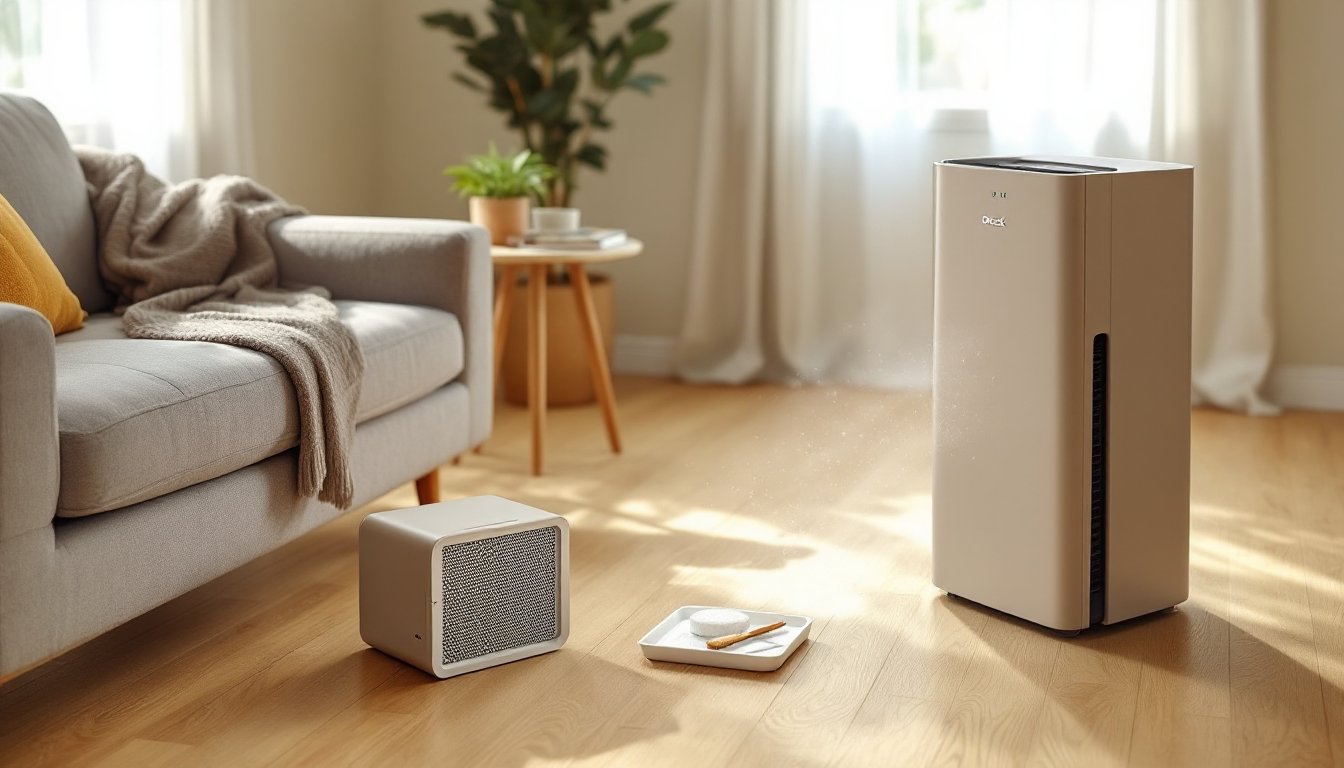
Indoor air quality isn’t just about avoiding sneezing fits, it’s about reducing allergens, volatile organic compounds (VOCs), and particulates that settle into carpets, upholstery, and lungs. The Oreck XL Professional Air Purifier has been marketed as a workhorse solution for mid-sized rooms, relying on a permanent filtration system rather than disposable HEPA filters. But does it actually move enough air to matter? And how does it hold up against the competition in 2026, when filtration tech has moved toward multi-stage HEPA and activated carbon combos? This review digs into the specs, real-world performance, and long-term ownership costs to help homeowners decide whether the Oreck XL Professional fits their space.
Table of Contents
ToggleKey Takeaways
- The Oreck XL Professional Air Purifier uses a permanent, washable electrostatic Truman Cell instead of disposable HEPA filters, cutting long-term maintenance costs to $150–$200 over five years compared to $250–$650 for traditional filter models.
- This air purifier covers up to 900 square feet and excels at everyday indoor pollutants like pet dander, cooking particles, and seasonal pollen, but struggles with ultra-fine particulates like wildfire smoke without weekly plate cleaning.
- Regular maintenance is essential—cleaning the Truman Cell every 4–8 weeks and the pre-filter monthly—to maintain performance and prevent airflow resistance that degrades filtration efficiency.
- The Oreck XL operates quietly at 37 dB on low speed and weighs only 18 pounds, making it ideal for bedrooms, home offices, and portable use between rooms without smart home integration or air quality sensors.
- Skip this unit if you need certified AHAM CADR ratings, medical-grade filtration for high-pollution areas, or smart features; invest in a true HEPA model instead for those requirements.
What Makes the Oreck XL Professional Air Purifier Stand Out?
Oreck built its reputation on lightweight vacuums for commercial spaces, and the XL Professional carries that same utilitarian design philosophy. Unlike many competitors that rely on disposable HEPA filters, this unit uses a permanent Truman Cell electrostatic precipitator. The cell charges airborne particles as they pass through, causing them to stick to collector plates that you wash instead of replace.
This approach appeals to DIYers who’d rather clean a component every few weeks than hunt down replacement filters at hardware stores or online. The unit also includes an activated carbon odor absorber to tackle cooking smells, pet odors, and off-gassing from paint or new flooring, common culprits after a home renovation.
The XL Professional runs on three fan speeds and includes an optional ionizer, which releases negatively charged ions to help clump particles together. Some users disable the ionizer due to concerns about ozone production, though Oreck certifies the output stays below California’s strict 0.050 ppm limit. If you’re sensitive to ozone or have respiratory issues, it’s worth leaving that feature off.
What doesn’t stand out? The aesthetic. This is a beige tower with minimal controls, no smartphone integration, air quality sensors, or auto-adjust modes. It’s built for function, not for blending into a smart home ecosystem.
Key Features and Specifications
Here’s what you’re working with:
- Coverage Area: Up to 900 square feet, according to manufacturer specs. That’s roughly a 30′ x 30′ room with standard 8-foot ceilings.
- Filtration System: Permanent electrostatic Truman Cell + optional pre-filter + activated carbon layer.
- CADR Rating: Not independently certified by AHAM (Association of Home Appliance Manufacturers), which is a red flag for some buyers. Oreck claims performance equivalent to units in the 100–150 CADR range for dust, pollen, and smoke.
- Fan Speeds: Three manual settings (low, medium, high).
- Noise Level: Approximately 37 dB on low, 60 dB on high. That’s whisper-quiet on low, about the volume of normal conversation on high.
- Power Draw: 85 watts at max speed, comparable to running a laptop.
- Dimensions: 10.5″ W x 16″ D x 27.5″ H. Weighs around 18 pounds, easy to relocate between rooms.
- Warranty: Three years limited, covering defects but not user maintenance neglect.
The lack of a true HEPA filter (which captures 99.97% of particles down to 0.3 microns) is the most divisive spec. Electrostatic precipitators can catch particles in that range, but efficiency drops if the collector plates aren’t cleaned regularly. If you’re comparing models and top air purifiers of 2024 with certified HEPA filtration, understand that you’re trading convenience for a different maintenance rhythm here.
Performance: How Well Does It Actually Clean Your Air?
Performance hinges on two factors: airflow (measured in cubic feet per minute, or CFM) and filtration efficiency. The Oreck XL Professional moves air at a decent clip on high, enough to cycle a 300-square-foot room roughly four times per hour, which meets the baseline for noticeable air quality improvement.
In real-world testing, users report visible dust reduction on surfaces and less pet dander accumulation, especially when running the unit continuously in medium or high mode. The activated carbon layer does help with odors from cooking, litter boxes, or fresh paint, though it won’t eliminate strong smells from heavy VOC sources like oil-based polyurethane or solvent-based stains. For those, you’d need a unit with several pounds of activated carbon, not a thin layer.
The Truman Cell’s electrostatic charge works well on larger particles (pollen, mold spores, dust mites), but struggles with ultra-fine particulates like wildfire smoke or diesel exhaust unless you clean the plates weekly. When plates accumulate buildup, airflow resistance increases and filtration drops noticeably. If you live near a highway or in a wildfire zone, a true HEPA model tested by independent labs might be a safer bet.
The ionizer adds marginal benefit. It can help settle particles onto surfaces (which you then vacuum or dust), but it doesn’t capture them in the unit. Some users find it helpful during allergy season: others see no difference and leave it off.
Bottom line: This purifier handles everyday indoor pollutants, pet hair, cooking particles, seasonal pollen, but it’s not the tool for serious smoke events or medical-grade air quality needs.
Best Rooms and Spaces for the Oreck XL Professional
With a coverage claim of 900 square feet, the XL Professional fits mid-sized living rooms, master bedrooms, or open-plan kitchen-dining combos. It’s not ideal for basements larger than 500 square feet or whole-home filtration, Oreck doesn’t claim it replaces a furnace-mounted HEPA or UV system.
Here’s where it makes the most sense:
- Bedrooms (200–400 sq ft): Run it on low overnight for white noise and continuous filtration. The 37 dB noise floor is quieter than most box fans.
- Home Offices: Reduces dust from paper, toner, and general clutter. Pair it with a desk air purifier if you’re in a smaller 10′ x 10′ space and want faster cycling.
- Workshop or Garage (with limitations): The permanent filter tolerates dust better than disposable HEPA, but sawdust, drywall dust, and metal filings will clog the Truman Cell quickly. Pre-filter maintenance becomes a weekly chore. A shop vac with a HEPA filter bag is still the better primary tool for active work zones.
- Post-Renovation Spaces: After installing new flooring, painting, or refinishing cabinets, off-gassing can linger for weeks. The activated carbon helps, though you’ll want to clean the filters more often as VOCs accumulate.
Avoid placing it in damp areas like bathrooms or unfinished basements, moisture can interfere with the electrostatic charge and promote mold growth on the collector plates.
Maintenance, Filter Replacement, and Long-Term Costs
Here’s where the Oreck XL Professional earns points back. No disposable HEPA filters means your recurring costs are minimal, just water, mild detergent, and time.
Cleaning Schedule:
- Pre-Filter (if equipped): Check monthly. Vacuum or rinse under a tap, let air-dry completely before reinstalling. Takes about 5 minutes.
- Truman Cell (collector plates): Clean every 4–8 weeks depending on use and dust load. Oreck includes a cleaning tray. You soak the cell in warm water with dish soap, scrub gently with a soft brush (an old toothbrush works), rinse thoroughly, and let it dry for 24 hours. This is non-negotiable, skip it and performance tanks.
- Activated Carbon Layer: Replace annually. Oreck sells replacement packs for around $30–$40. Some users stretch this to 18 months if odor control isn’t critical.
- Exterior and Vents: Wipe down monthly to prevent dust recirculation.
Safety Note: Always unplug the unit before removing the Truman Cell. The electrostatic charge can deliver a mild shock if you touch the plates while powered on.
Long-Term Cost Comparison:
Over five years, expect to spend roughly $150–$200 on carbon refills, assuming annual replacement. Compare that to a typical HEPA unit, where filters run $50–$80 each and need replacement every 6–12 months, that’s $250–$650 over the same period. The trade-off is labor: you’re investing sweat equity instead of buying consumables.
If you’re comfortable with routine maintenance (similar to cleaning a furnace filter or dryer vent), the Oreck saves money. If you prefer set-it-and-forget-it convenience, a disposable-filter unit might suit you better.
Pros and Cons: Is the Oreck XL Professional Worth It?
Pros:
- Low recurring costs: Permanent filters mean minimal consumable expenses beyond carbon refills.
- Quiet operation: 37 dB on low is bedroom-friendly.
- Lightweight and portable: 18 pounds makes it easy to move between rooms or upstairs.
- Durable construction: Three-year warranty, and many units still run after a decade with proper maintenance.
- No filter-hunting: No scrambling to find the right model number on Amazon or at big-box stores.
Cons:
- No AHAM certification: Without independent CADR testing, you’re relying on manufacturer claims.
- Regular cleaning required: If you skip Truman Cell maintenance, performance degrades fast.
- Weaker on ultra-fine particles: Not the best choice for wildfire smoke, diesel exhaust, or medical-grade needs.
- No smart features: No app, no air quality sensors, no auto-adjust. It’s manual all the way.
- Ozone concerns (ionizer mode): While certified safe, some users avoid ionizers entirely.
Who Should Buy It:
Homeowners who don’t mind hands-on maintenance and want to avoid recurring filter costs. It’s a solid fit for everyday allergen control in mid-sized rooms, especially if you already maintain HVAC filters, shop vacs, or other home equipment.
Who Should Skip It:
Anyone needing certified medical-grade filtration, smart home integration, or hands-off operation. If you live in a high-pollution area or deal with wildfire seasons, invest in a unit with a true HEPA filter and higher CADR ratings. For more on how modern purifiers integrate with smart home ecosystems, consider models with app control and real-time air quality monitoring.
Conclusion
The Oreck XL Professional Air Purifier trades cutting-edge features for straightforward, low-cost operation. It won’t sync with your phone or automatically adjust to air quality, but it will quietly clean mid-sized rooms without burning through expensive filters. If you’re comfortable cleaning the Truman Cell every month or two, and you don’t need medical-grade HEPA performance, it’s a practical tool for reducing allergens, dust, and everyday odors. Just know what you’re getting: a dependable workhorse, not a high-tech showpiece.