
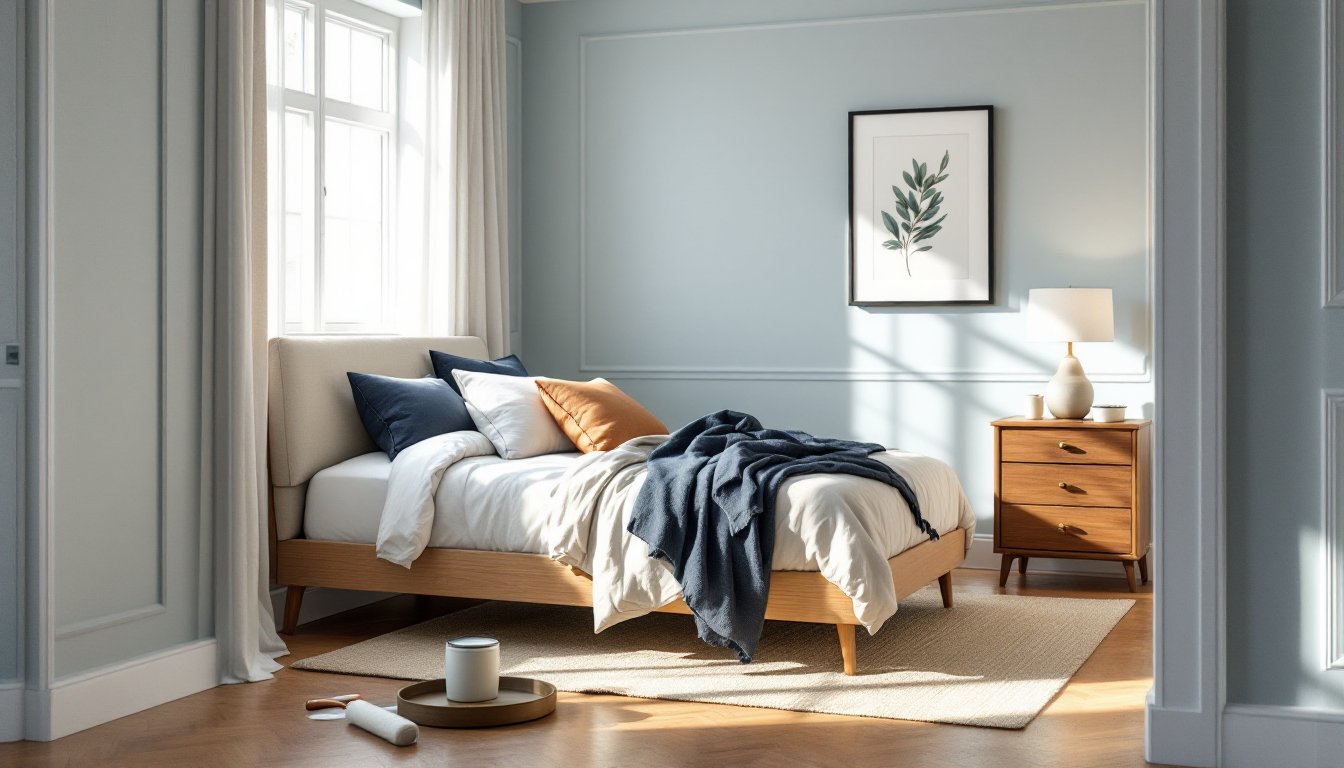
Picking the right paint color can make or break a bedroom. Light blue has earned its spot as one of the most versatile, calming wall colors for sleep spaces, and it’s not just designer hype. The color scientifically lowers heart rate and promotes relaxation, making it a practical choice for rooms where rest is the priority. Whether you’re refreshing a master suite or tackling a rental-friendly update, light blue offers flexibility across design styles, from coastal farmhouse to modern minimalist. This guide walks through the best light blue shades, how to choose one that works with your lighting and furniture, and the painting techniques that ensure a clean, professional finish.
Table of Contents
ToggleKey Takeaways
- Light blue paint colors for bedrooms scientifically lower heart rate and promote relaxation while reflecting natural light to make spaces feel more open and airy.
- Popular light blue shades like Benjamin Moore Palladian Blue, Sherwin-Williams Rainwashed, and Behr Light French Gray offer versatility across design styles and lighting conditions, so always test samples in your actual room before committing.
- The right light blue shade depends on your room’s natural light exposure—north-facing rooms need warmer blues with gray or green undertones, while south-facing rooms can handle cooler, crisper blues without feeling sterile.
- Pair light blue walls with natural wood furniture, warm neutrals, or metallic accents in brass and gold to add depth and prevent the space from feeling cold or flat.
- Proper prep work and technique—including filling imperfections, using primer, cutting in carefully, and rolling in a W pattern—are essential for achieving a professional-looking finish with light blue paint.
- Choose eggshell sheen for the best balance of hiding wall flaws while remaining washable, and wait at least 4 hours between coats and 30 days before hanging items or scrubbing walls.
Why Light Blue Is the Perfect Choice for Bedroom Walls
Light blue reflects natural light without glare, which helps smaller bedrooms feel more open and airy. Unlike stark white, it adds visual interest while maintaining a neutral backdrop for furniture and textiles.
From a practical standpoint, light blue hides minor wall imperfections better than pure white or cream. The subtle color variation camouflages drywall seams, patches, and nail holes that might stand out under bright white paint. This is especially useful in older homes where walls have seen repairs over the years.
The color also plays well with both warm and cool undertones in flooring and trim. A blue with gray or green undertones complements honey oak floors, while crisp sky blues pair cleanly with white baseboards and crown molding. This flexibility means you’re not locked into a specific decor style.
Light blue works across temperature zones, too. In warm climates, cooler blues help rooms feel less stuffy. In northern regions, softer powder blues still read as serene without making the space feel cold during winter months. Pair it with layered textiles, linen duvet covers, wool throws, to adjust the room’s warmth seasonally.
Top Light Blue Paint Colors to Consider for Your Bedroom
Not all light blues are created equal. Undertones, sheen, and lighting conditions drastically change how a color reads on the wall. Always test samples in your actual bedroom before committing to five gallons.
Soft Sky Blues for a Tranquil Retreat
Benjamin Moore Palladian Blue (HC-144) is a go-to for good reason. It’s a muted blue-green hybrid that shifts slightly depending on natural light, cooler in north-facing rooms, warmer in south-facing spaces. It works with both modern and traditional furniture and doesn’t skew too nursery-like.
Sherwin-Williams Rainwashed (SW 6211) leans slightly more gray than Palladian Blue, making it ideal if you’re pairing with charcoal or navy accents. It reads almost neutral in low light but shows its blue personality during the day. Use it in rooms with white trim for maximum contrast.
Farrow & Ball Borrowed Light (No. 235) is pricier but offers a sophisticated, chalky finish that high-end designers favor. It’s a very pale, barely-there blue that works well in rooms with lots of architectural detail. The color depth is subtle enough for accent walls or full room coverage.
For budget-conscious projects, Behr Light French Gray (N490-1) delivers a similar soft blue-gray for a fraction of the cost. One gallon covers approximately 350–400 square feet with proper primer, so measure your walls (length × height, minus doors and windows) before buying.
Aqua and Turquoise-Tinted Blues for Coastal Vibes
If you want more personality, aqua-leaning blues bring energy without overwhelming the space. Benjamin Moore Jamaican Aqua (2048-60) is vibrant enough for an accent wall behind the bed but can be toned down to 50% saturation for full-room coverage. Pair it with natural wood furniture and jute rugs to avoid a themey beach look.
Sherwin-Williams Spa (SW 6765) splits the difference between aqua and traditional light blue. It’s got enough green to feel fresh but won’t clash with cooler-toned grays in adjacent rooms. This is a smart pick for open floor plans where the bedroom is visible from hallways.
Colors that pair with light blue include warm whites, soft corals, and muted yellows, which can balance cooler aqua tones if you’re layering in bedding or curtains.
How to Choose the Right Light Blue Shade for Your Bedroom
Start by identifying your room’s natural light exposure. North-facing bedrooms receive cooler, indirect light, which can make blue feel icy. In these spaces, choose warmer blues with gray or green undertones. South-facing rooms get warm, direct light throughout the day, so you can handle cooler, crisper blues without the room feeling sterile.
Test paint samples on multiple walls, not just one. Paint a 2-foot × 2-foot square on the wall that gets morning light, another on the wall opposite your primary window, and a third near your closet or darker corner. Observe the color at different times of day. Blues can look completely different at 7 a.m. versus 8 p.m. under artificial lighting.
Consider your existing furniture and flooring. If you have warm wood tones (oak, pine, walnut), blue-greens or muted powder blues will harmonize better than stark sky blues. For rooms with gray or white furniture, you have more flexibility to go cooler or more saturated.
Sheen matters more than most DIYers realize. Flat or matte finish hides wall flaws but is harder to clean, fine for adult bedrooms, risky for kids’ rooms. Eggshell (10–25% gloss) is the sweet spot: subtle sheen, washable, and forgiving on textured drywall. Satin finish works in high-humidity climates where moisture is a concern, but it will show roller marks if your application technique is inconsistent.
If you’re indecisive, go lighter. It’s easier to add a deeper accent wall later than to repaint an entire room that feels too bold. One gallon of quality paint typically costs $35–$70, depending on brand and finish.
Pairing Light Blue Walls with Furniture and Decor
Light blue walls create a neutral canvas, but the room can fall flat without intentional contrast. White or cream furniture is the safest pairing and keeps the space feeling open. For more depth, bring in natural wood tones, walnut nightstands, a reclaimed pine headboard, or oak dressers. The warmth of the wood prevents the blue from reading too cold.
If you prefer upholstered furniture, consider warm neutrals like beige, tan, or soft gray. A linen upholstered bed frame in oatmeal or greige adds texture without competing with the wall color. Avoid matching your bedding exactly to the wall shade, it’ll blend into the background and look washed out.
Metallic accents play surprisingly well with light blue. Brass or gold hardware on dressers and lamps adds warmth, while brushed nickel or matte black skews modern. If you’re installing new lighting fixtures, a simple drum pendant in linen or a sculptural sconce in matte black can anchor the room’s style.
Textiles are where you can experiment. Layer in patterns through throw pillows, quilts, or area rugs. Navy, charcoal, or rust-colored accents ground the softness of light blue. Avoid overloading with more blue, you want contrast, not a monochrome blur. According to home decor ideas experts, balancing cool wall tones with warm textures is key to avoiding a flat, one-note look.
Window treatments matter, too. Sheer white or linen curtains keep the space airy, while heavier drapes in cream or charcoal add coziness. If privacy isn’t a concern, skip curtains altogether, letting in maximum natural light will keep the blue from feeling dingy.
Tips for Painting Your Bedroom Light Blue Like a Pro
Prep work determines whether your paint job looks DIY or professional. Start by filling nail holes and dents with lightweight spackling compound. Let it dry fully (usually 1–2 hours), then sand smooth with 120-grit sandpaper. Wipe walls with a damp cloth to remove dust, paint won’t adhere properly to dirty surfaces.
Primer is non-negotiable if you’re painting over dark colors, bold patterns, or fresh drywall. Use a high-quality stain-blocking primer (like Zinsser or Kilz) to prevent bleed-through. One coat is usually enough for light-to-light color changes, but dark-to-light transitions may need two. Primer also improves paint coverage, so you’ll use less topcoat.
When you’re ready to paint, start with cutting in, the edges along trim, ceilings, and corners. Use a 2-inch angled brush and a steady hand. For cleaner lines, apply painter’s tape along trim and ceilings, pressing the edge firmly to prevent seepage. Remove the tape while the paint is still slightly tacky (about 30–60 minutes after application) to avoid peeling.
Roll walls in a W pattern to distribute paint evenly and avoid streaks. Use a 3/8-inch nap roller for smooth walls or a 1/2-inch nap for textured surfaces. Don’t overload the roller, excess paint causes drips and uneven coverage. Two thin coats always beat one thick coat.
Safety note: Ventilate the room well. Open windows and use a fan to circulate air. Wear a dust mask during sanding and safety glasses when painting overhead areas. Low-VOC paints reduce fumes but still require airflow.
For detailed home improvement projects and seasonal updates, proper ventilation and prep are always emphasized as key to a lasting finish.
Allow at least 4 hours between coats (check the paint can for manufacturer recommendations). Full cure time is typically 30 days, so avoid scrubbing walls or hanging heavy items until then. If you’re installing new outlet covers or hardware, wait until the paint is fully dry to prevent smudging.