
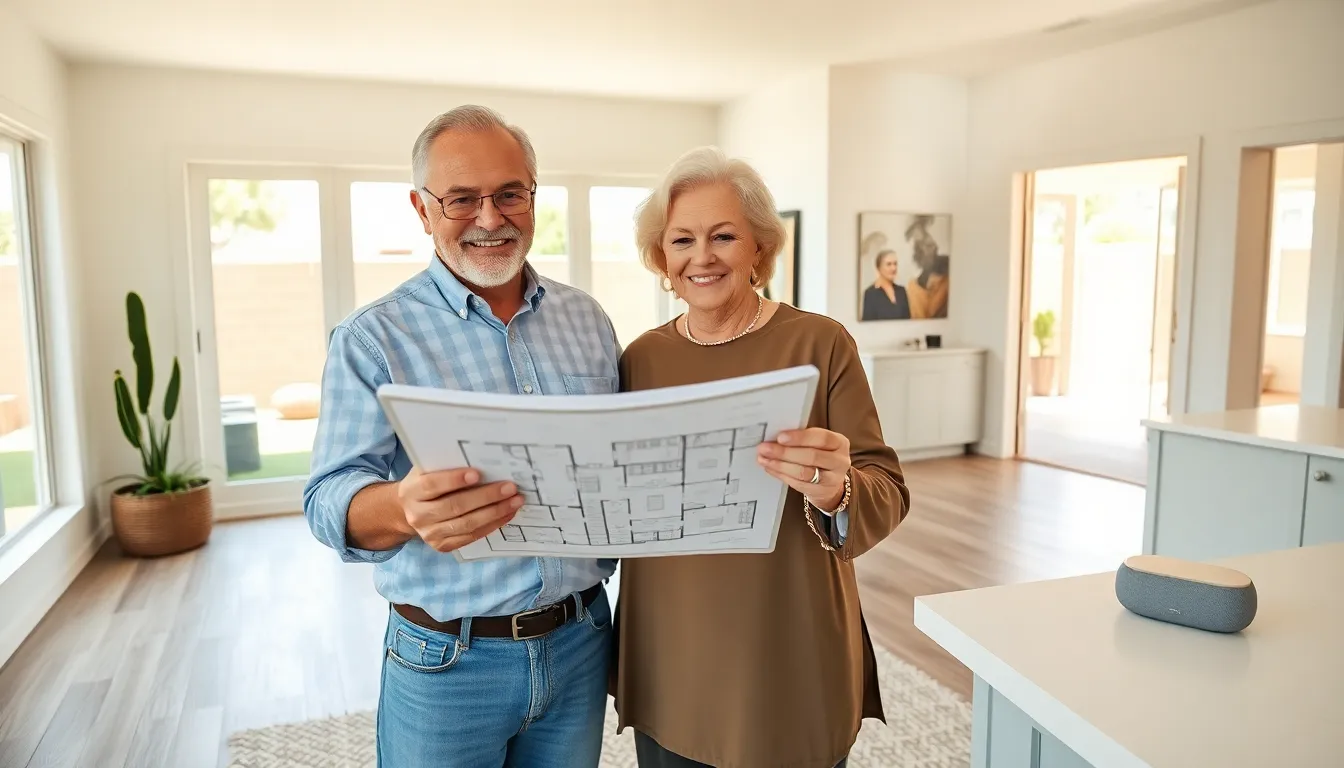
Home for retirement trends 2026 reflect a shift in how retirees approach housing. More seniors want homes that support independence, family connection, and long-term financial security. The retirement housing market is responding with new designs, locations, and technologies. Whether someone plans to age in place or relocate to a sunnier climate, understanding these trends helps retirees make informed decisions. This guide covers the key home for retirement trends shaping 2026, from multigenerational living to smart home features, so retirees can plan their next chapter with confidence.
Table of Contents
ToggleKey Takeaways
- Multigenerational living is a top home for retirement trend in 2026, offering financial savings and built-in family support for seniors.
- Aging-in-place design features like single-story layouts, grab bars, and wider doorways help retirees stay independent longer.
- Popular retirement destinations include Florida, Arizona, the Carolinas, and Texas, each offering unique benefits like warm climates and tax advantages.
- Smart home technology—including voice assistants, medical alert systems, and security cameras—enhances safety and independence for seniors.
- Financial planning is essential: consider downsizing, property taxes, insurance costs, and whether renting or owning best fits your retirement goals.
- Proactive home modifications and realistic budgeting help retirees avoid costly emergencies and protect their long-term financial security.
Multigenerational Living Gains Momentum
Multigenerational homes are one of the fastest-growing home for retirement trends in 2026. Adult children, aging parents, and sometimes grandchildren are choosing to live under one roof. This arrangement offers practical benefits for everyone involved.
For retirees, multigenerational living provides built-in support. Family members can assist with daily tasks, transportation, and companionship. This reduces isolation, a significant concern for older adults living alone.
Financial advantages drive this trend as well. Sharing mortgage payments, utilities, and maintenance costs eases the burden on fixed retirement incomes. In expensive housing markets, pooling resources makes homeownership possible when it might otherwise be out of reach.
Builders have noticed. New construction increasingly includes separate entrances, accessory dwelling units (ADUs), and dual primary suites. These designs give each generation privacy while keeping family close.
According to the National Association of Realtors, multigenerational home purchases have increased steadily since 2020. By 2026, industry analysts expect this trend to accelerate further as housing costs remain high and more baby boomers reach retirement age.
Retirees considering this option should discuss expectations openly with family members. Topics like shared expenses, household responsibilities, and personal boundaries matter. A successful multigenerational home requires clear communication from the start.
Aging-in-Place Design Features
Aging-in-place design ranks among the top home for retirement trends for 2026. Most retirees want to stay in their current homes as long as possible. The right modifications make this goal achievable.
Single-story floor plans remain popular because they eliminate stairs. For multi-level homes, first-floor primary bedrooms solve the same problem. Retirees should prioritize layouts that keep essential rooms accessible without climbing.
Bathrooms present the greatest risk for falls. Grab bars, walk-in showers, and comfort-height toilets reduce accidents. Non-slip flooring adds another layer of safety. Many retirees now install these features proactively rather than waiting for a health event.
Wider doorways accommodate wheelchairs and walkers if mobility changes over time. The standard 32-inch doorway works for most people, but 36 inches provides extra clearance. Lever-style door handles are easier to operate than traditional knobs for those with arthritis.
Lighting matters more than many people realize. Bright, even illumination helps aging eyes see clearly. Motion-activated lights in hallways and bathrooms prevent fumbling for switches in the dark.
Home for retirement planning in 2026 should include these upgrades early. Renovating before physical limitations develop gives retirees time to adapt to changes gradually. It also costs less than emergency modifications after an injury.
Some retirees purchase homes already built with universal design principles. These properties command premium prices but save money on future renovations.
Popular Retirement Destinations and Markets
Location decisions shape home for retirement trends significantly. Some retirees stay put, while others chase warmer weather, lower taxes, or proximity to family. Several markets stand out in 2026.
Florida remains a retirement favorite. Cities like Sarasota, Naples, and The Villages attract retirees with warm climates, no state income tax, and established senior communities. But, rising insurance costs and hurricane concerns give some buyers pause.
Arizona continues drawing retirees to Phoenix, Tucson, and Scottsdale. The dry climate appeals to those with respiratory issues or arthritis. Home prices have stabilized after pandemic-era spikes, making the state more accessible again.
The Carolinas offer a middle ground. North Carolina and South Carolina combine mild winters with lower costs of living than the Northeast. Asheville, Charleston, and Wilmington are particularly popular.
Texas attracts retirees seeking affordable housing and no state income tax. Austin, San Antonio, and smaller Hill Country towns see strong interest from relocating seniors.
Not everyone moves south. Some retirees choose locations near grandchildren regardless of climate. Others prefer staying in familiar communities where they have established social networks and healthcare relationships.
Home for retirement decisions in 2026 often involve trade-offs. Retirees should weigh factors like healthcare access, cost of living, tax implications, and quality of life. Visiting potential destinations multiple times, including off-season, helps reveal what daily life would actually feel like.
Smart Home Technology for Seniors
Smart home technology is reshaping home for retirement trends in 2026. These tools help seniors live independently while staying connected to family and caregivers.
Voice assistants like Amazon Alexa and Google Home perform useful tasks hands-free. Retirees can set medication reminders, make phone calls, control lights, and check the weather without touching a device. For those with vision or mobility challenges, voice control simplifies daily routines.
Smart doorbells and security cameras let seniors see visitors without answering the door. This feature protects against scams and provides peace of mind. Family members can also check in remotely through shared camera access.
Medical alert systems have improved dramatically. Modern devices detect falls automatically and contact emergency services. Some sync with smartphones, allowing adult children to receive alerts if a parent needs help.
Smart thermostats regulate temperatures automatically, reducing utility bills and preventing dangerous temperature extremes. Seniors sometimes forget to adjust heating or cooling: automation handles this task.
Leak sensors and smart smoke detectors add safety layers. These devices send alerts to phones immediately, giving retirees and family members time to respond before small problems become disasters.
The key to smart home adoption is simplicity. Retirees should start with one or two devices and add more gradually. Overly complicated systems frustrate users and often go unused. Family members can help with initial setup and training.
Home for retirement planning now includes technology budgets. The upfront costs pay dividends in safety, convenience, and extended independence.
Financial Considerations for Retirement Housing
Money drives many home for retirement trends in 2026. Housing often represents the largest expense in retirement, so financial planning matters enormously.
Downsizing remains a popular strategy. Selling a larger family home and purchasing something smaller frees up equity. That cash can supplement retirement income, fund healthcare costs, or simply reduce financial stress.
But, downsizing doesn’t always save money. Transaction costs, moving expenses, and higher per-square-foot prices in desirable areas can eat into savings. Retirees should run the numbers carefully before assuming a smaller home means lower costs.
Reverse mortgages offer another option for cash-strapped homeowners. These loans let seniors tap home equity without monthly payments. The loan comes due when the homeowner sells, moves, or passes away. This product suits some situations but carries fees and reduces inheritance for heirs.
Property taxes vary wildly by location and significantly impact housing affordability. Some states offer homestead exemptions or senior freezes that limit tax increases. Researching local tax rules belongs on every retiree’s checklist.
Insurance costs have risen sharply in disaster-prone areas. Florida, California, and Gulf Coast states have seen premiums double or triple in recent years. These increases catch some retirees off guard and force difficult decisions.
Renting versus owning deserves honest evaluation. Renting eliminates maintenance responsibilities and provides flexibility. Owning builds equity and offers stability. Neither option is universally better, the right choice depends on individual circumstances.
Home for retirement success in 2026 requires realistic budgeting. Retirees should account for maintenance, taxes, insurance, utilities, and potential modifications. Underestimating housing costs strains retirement portfolios.