
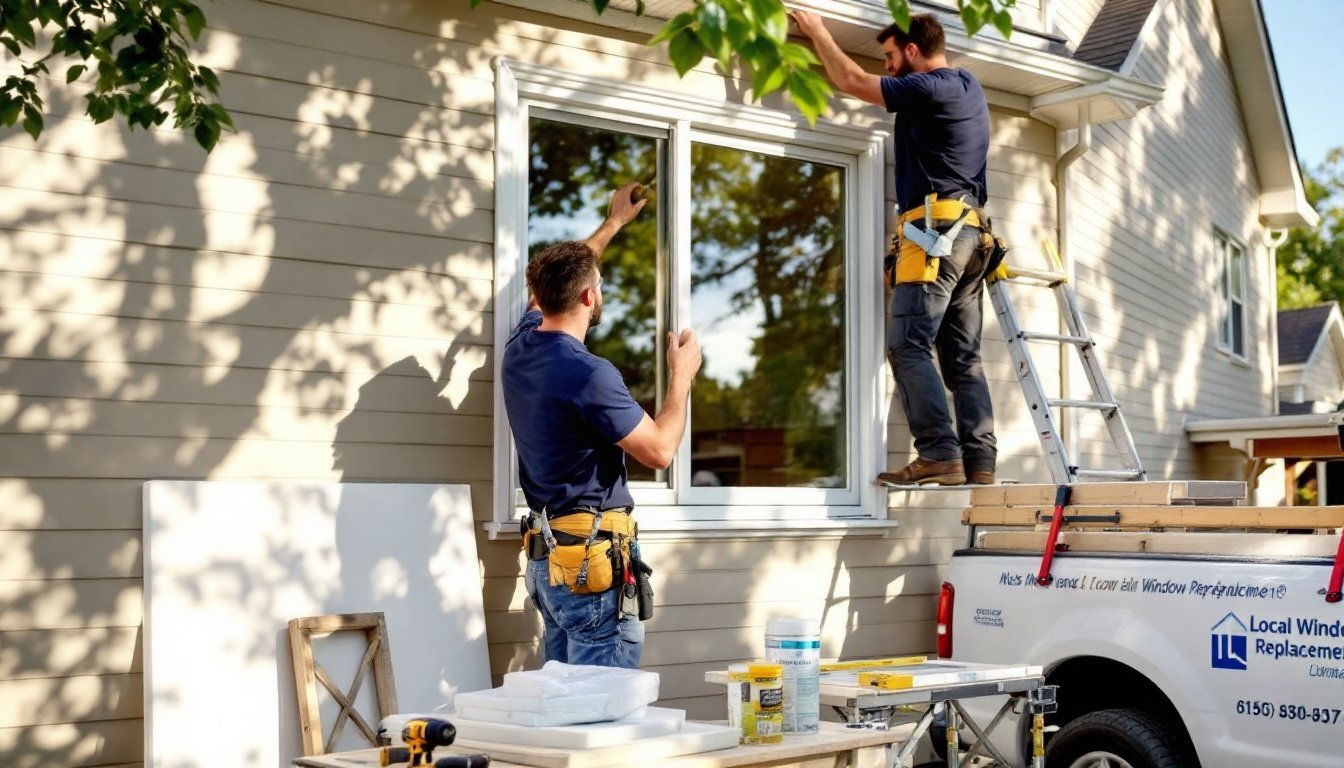
Replacing windows isn’t a weekend DIY project for most homeowners. The work involves structural openings, weatherproofing, insulation, and often load-bearing headers. One mistake with flashing or rough opening dimensions can lead to water damage, energy loss, or even structural issues. That’s why hiring a qualified local window replacement company is the smart move. But not all contractors are created equal. This guide walks homeowners through how to find, vet, and hire the right pros for the job, and avoid the ones who’ll create more problems than they solve.
Table of Contents
ToggleKey Takeaways
- Local window replacement companies understand regional building codes, climate requirements, and can provide accountability that national chains often cannot.
- Quality window replacement contractors should have at least a decade of experience, valid licensing, liability insurance, and be willing to discuss detailed installation processes like flashing and foam insulation.
- Verify local window replacement company credentials by requesting a Certificate of Insurance, checking state contractor licensing boards, and reviewing references and completed project photos.
- Standard vinyl windows cost $400–$1,200 per window installed, while wood-clad or fiberglass units range from $800–$2,500+, with complexity and materials significantly affecting final price.
- Avoid red flags such as cash-only payments, pressure tactics, lack of written contracts, vague estimates, and contractors unwilling to pull required building permits.
- Get written estimates from at least three local contractors comparing line-by-line costs, labor, materials, permits, and warranties rather than relying on phone quotes or online calculators.
Why Hiring Local Window Replacement Companies Makes Sense
Local contractors know regional building codes and climate-specific requirements. A company operating in Minnesota understands condensation resistance ratings and thermal performance standards that matter in subzero winters. A Florida-based installer knows hurricane-rated impact windows and the Florida Building Code’s Design Pressure (DP) ratings.
Local companies also have reputations to protect. They can’t disappear after a botched install, they’re accountable to the community. Homeowners can drive by recent job sites, talk to neighbors who’ve used them, and verify their standing with local building departments.
Warranty service matters, too. If a seal fails or installation issue crops up two years later, a local company can send someone out without charging travel fees or making excuses. National chains may subcontract to local crews anyway, adding a markup and a layer of miscommunication.
Finally, local companies often have relationships with regional suppliers, which can mean better pricing on quality window brands and faster lead times during busy seasons.
What to Look for in a Quality Window Replacement Company
Start with experience. A crew that’s been installing windows for a decade will handle unexpected issues, rot in the sill plate, out-of-plumb rough openings, or odd-sized masonry openings in older homes, without turning a one-day job into a week-long ordeal.
Look for companies that offer a range of window types: double-hung, casement, sliding, bay, and garden windows. A installer who only pushes one style or brand may be limited by supplier contracts, not homeowner needs.
Ask about the installation process. Quality installers will discuss flashing tape, foam insulation, shims, and how they handle exterior trim and interior finish work. If they gloss over details and jump straight to price, that’s a warning sign.
Check for references and photos of completed projects. A legitimate company will happily share contact info for past clients and show examples of their trim work, stucco patching, or brick mold replacement.
Licensing, Insurance, and Certifications
Every window replacement contractor should carry a valid general contractor’s license (requirements vary by state, some require it for jobs over a certain dollar amount, others for any paid work). Verify the license number with your state’s contractor licensing board.
Liability insurance is non-negotiable. If a crew member breaks a gas line, cracks siding, or damages interior finishes, the company’s policy should cover it. Ask for a Certificate of Insurance (COI) and call the insurer to confirm it’s active.
Workers’ compensation insurance protects homeowners if a worker is injured on the property. Without it, the homeowner could be liable for medical bills and lost wages.
Some manufacturers offer factory certifications for installers who complete training on their products. Certifications from brands like Andersen, Pella, or Marvin indicate the crew knows proper installation techniques for those specific window systems. It’s not mandatory, but it’s a plus.
How to Find and Vet Local Window Replacement Companies
Start with word-of-mouth. Ask neighbors, coworkers, or friends who’ve had windows replaced recently. Personal referrals often yield the most reliable leads.
Online directories and review platforms can help, but read between the lines. Contractor matching services and similar platforms pre-screen companies for licensing and insurance, which saves time. Look for patterns in reviews: one bad review might be a fluke, but multiple complaints about missed deadlines, poor cleanup, or shoddy caulking are red flags.
Check the Better Business Bureau (BBB) for complaints and resolution history. A company with an A+ rating and zero complaints is ideal, but even B-rated companies can be solid if they’ve resolved past issues fairly.
Visit the company’s website and social media. Do they show real project photos, or just stock images? Do they list their license number and insurance details? Transparency is a good sign.
Narrow it down to three to five companies and request on-site estimates. A phone quote or online calculator can’t account for rot, settling, or non-standard openings. Any contractor who quotes a window job without seeing the house isn’t serious about accuracy.
Questions to Ask Before Hiring a Window Replacement Contractor
Before signing a contract, ask these questions:
• How long have you been installing windows? Experience with older homes, stucco, brick, or vinyl siding matters.
• Will you pull permits? Window replacement often requires a building permit, especially if you’re changing opening size or replacing headers. The contractor should handle this.
• Who will be on-site? Some companies use subcontractors. Find out who’s doing the work and whether they’re employees or independent crews.
• What’s included in the estimate? Clarify whether it covers removing old windows, patching drywall, painting interior trim, exterior caulking, and hauling away debris.
• What window brands do you install? A quality installer works with multiple manufacturers and can explain the pros and cons of vinyl, fiberglass, wood-clad, and aluminum windows.
• What warranties apply? There are typically two: a manufacturer’s warranty on the window itself (glass, frame, hardware) and a workmanship warranty from the installer. Get both in writing.
• How long will the job take? A typical single-family home with 10–15 windows usually takes one to three days, weather permitting.
• What’s your payment schedule? Avoid contractors who demand full payment upfront. A deposit of 10–30% is standard, with the balance due upon completion and inspection.
Understanding Window Replacement Costs and Estimates
Window replacement costs vary widely by window type, size, material, and labor. As of 2026, homeowners can expect to pay $400 to $1,200 per window installed for standard double-hung vinyl windows, and $800 to $2,500+ for wood-clad or fiberglass units.
Costs depend on:
• Window material: Vinyl is budget-friendly and low-maintenance. Fiberglass offers superior insulation and durability but costs more. Wood-clad combines aesthetics with performance but requires more upkeep.
• Glass package: Low-E coatings, argon or krypton gas fills, and triple-pane glass improve energy efficiency but add $100–$300 per window.
• Installation complexity: Second-story windows, bay or bow windows, and custom sizes require more labor. Replacing a window in brick or stucco costs more than vinyl siding due to patching and sealing.
• Permit and disposal fees: Building permits typically run $50 to $200 depending on jurisdiction. Disposal of old windows may add $50 to $150 to the total.
Many home improvement cost calculators provide regional estimates, but get written quotes from at least three local contractors. Compare line by line, labor, materials, permits, and warranties, not just the bottom line.
Beware of lowball bids. If one estimate is 30% below the others, the contractor may be cutting corners, using inferior materials, or planning to upsell once the job starts.
Red Flags to Avoid When Choosing a Window Installer
Some warning signs are obvious, others subtle. Here’s what to watch for:
• No physical address or local phone number: Fly-by-night operators use P.O. boxes and out-of-state cell numbers.
• Pressure tactics: “This discount expires today” or “We have a crew in your area right now” are classic high-pressure sales moves.
• Cash-only or full payment upfront: Legitimate companies accept checks or credit cards and follow a payment schedule tied to milestones.
• No written contract: Every detail, scope of work, materials, timeline, payment terms, and warranties, should be in writing.
• Unlicensed or uninsured: If they can’t provide proof of licensing and insurance on the spot, walk away.
• Vague or incomplete estimates: “Around $8,000 for windows” isn’t an estimate. It should list each window by size, type, glass package, labor, and any extras.
• Negative reviews about workmanship: Complaints about leaks, drafts, or trim gaps after installation are serious. Windows are only as good as the install.
• Subcontracting without disclosure: If the company farms out the work without telling you, there’s no accountability.
If something feels off, trust your gut. There are plenty of qualified contractors available, don’t settle for one that raises red flags just to save a few bucks or start sooner.