
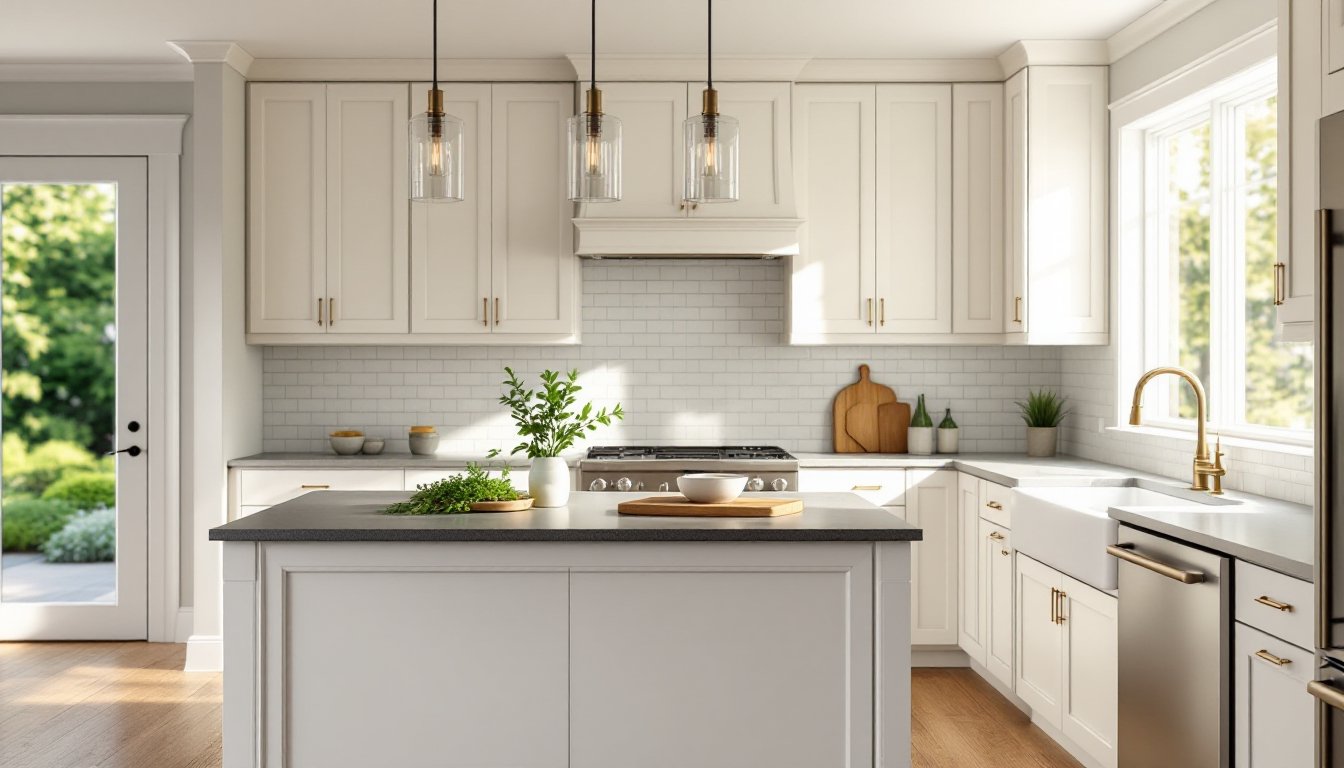
Light kitchen cabinets have moved from trend to standard in modern home design, and for good reason. They make small kitchens feel larger, amplify natural light, and serve as a versatile backdrop for nearly any style, from farmhouse to contemporary. Whether someone’s planning a full remodel or a cabinet refresh, understanding the nuances of light cabinetry helps avoid costly mistakes and ensures the finished space looks intentional, not washed out.
Table of Contents
ToggleKey Takeaways
- Light kitchen cabinets create the illusion of more space, boost natural light reflection, and enhance resale value by appealing to a broad buyer pool.
- Choose light cabinet colors strategically—white and off-white suit modern kitchens, while greige and warm neutrals work better in farmhouse and transitional styles.
- Proper contrast with darker countertops, textured backsplashes, and medium-to-dark flooring prevents light cabinets from looking washed out or sterile.
- Satin and matte finishes on light cabinets resist fingerprints and hide imperfections better than high-gloss options, making them ideal for households with young children.
- Match hardware finishes to faucets and lighting, or intentionally layer two complementary metal finishes to add visual interest to your light kitchen design.
Why Light Kitchen Cabinets Are Taking Over Modern Homes
Light cabinets dominate 2026 kitchen renovations because they solve practical problems while staying visually flexible. Here’s why homeowners keep choosing them:
They maximize perceived space. In kitchens under 150 square feet, dark cabinets can make walls feel closer. Light tones reflect ambient and task lighting, creating the illusion of added square footage without moving walls.
They boost resale value. Real estate agents consistently note that neutral, light kitchens appeal to the widest buyer pool. Dark cabinets can read as dated or divisive, while whites, creams, and light grays photograph well and feel move-in ready.
They’re forgiving with trends. Homeowners can swap out hardware, backsplash tile, or countertops without clashing. A white shaker cabinet works equally well with marble, butcher block, or quartz. That flexibility extends the kitchen’s lifespan between major renovations.
They hide less than expected. Contrary to assumption, light cabinets don’t show every fingerprint. Matte and satin finishes resist smudges better than high-gloss options, and quality paint or laminate with a protective topcoat handles daily wear. Properly sealed wood veneers age gracefully.
One caution: light cabinets demand intentional contrast. All-white kitchens without variation in texture, tone, or material can feel sterile. Plan for layered elements, open shelving, a darker island, varied hardware finishes, to avoid a flat, one-note look.
Popular Light Cabinet Colors and Finishes to Consider
Choosing a specific shade matters more than picking “light.” Undertones, finish sheen, and surrounding elements all influence how a cabinet color reads in real life.
White and Off-White Cabinets
Pure white (often labeled as “Decorator’s White” or “Ultra Pure White”) reflects maximum light and pairs cleanly with stainless steel appliances. It works well in modern and transitional kitchens but can feel stark without warm wood tones or textured textiles nearby.
Off-whites with warm undertones, such as “Alabaster,” “Swiss Coffee,” or “Linen White”, soften the clinical edge of pure white. These shades work particularly well in kitchens with oak or maple flooring, where a cool white would clash. When sampling, paint a 24″ x 24″ foam core board and move it around the kitchen at different times of day. North-facing kitchens may turn cool whites blue-gray: south-facing rooms can make warm whites look peachy.
Finish options: Matte and satin finishes hide imperfections in cabinet doors and resist fingerprints better than semi-gloss. Semi-gloss is easier to wipe down but shows every ding. For households with young kids, a satin or “eggshell” finish strikes the best balance.
Cream, Beige, and Warm Neutrals
Cream cabinets carry subtle yellow or beige undertones that add warmth without feeling dated, provided they’re styled intentionally. Avoid pairing them with brassy gold hardware or harvest-gold appliances, which tip into 1980s territory. Instead, use brushed brass, aged bronze, or matte black hardware for a grounded, contemporary feel.
Beige cabinets with gray undertones (sometimes called “greige” when lighter) work in transitional kitchens that bridge traditional and modern. They hide wear slightly better than pure white and complement both cool and warm countertop materials.
Warm neutrals shine in kitchens with abundant natural light and organic textures, think wood beams, stone backsplashes, or terracotta tile. In artificially lit kitchens with LED bulbs rated below 3000K (cool white), warm cabinets can look muddy. Swap to 3000K-3500K bulbs (soft white) to keep the warmth accurate.
Light Gray and Greige Options
Light gray cabinets became ubiquitous around 2018, and they’re still holding strong in 2026, but the shade matters. Cool grays with blue undertones work in ultra-modern kitchens with concrete countertops and industrial fixtures. Warm grays (greige) pair better with wood accents and farmhouse sinks.
Test samples next to existing elements. A gray that looks perfect next to white subway tile may clash with a beige-veined quartz countertop. If the kitchen has existing gray tile or stone, bring a sample to the paint store and compare in daylight.
Greige (gray + beige) is the most forgiving option in this family. It reads neutral enough to avoid strong color bias but has enough warmth to prevent a cold, institutional feel. For cabinets, look for greige with an LRV (Light Reflectance Value) of 60-70, enough contrast to define the space without darkening it.
Finish sheen on gray cabinets is critical. Flat or matte finishes can look chalky and show scuffs. Stick with satin or low-luster finishes that reflect a bit of light without glossiness.
How to Choose the Right Light Cabinets for Your Kitchen Style
Light cabinets aren’t one-size-fits-all. The door style, material, and finish need to align with the overall design language of the kitchen.
For modern or contemporary kitchens, choose flat-panel (slab) doors in pure white or light gray. Frameless (European-style) construction creates a sleek, handleless look when paired with push-to-open hardware or integrated pulls. Materials like high-gloss laminate, acrylic, or painted MDF deliver the clean lines modern design demands. Avoid ornate details or raised panels, they’ll conflict with minimalist aesthetics.
For transitional kitchens, shaker-style doors in off-white, greige, or light beige offer flexibility. Shaker cabinets have a recessed center panel with a simple frame, clean enough for modern sensibilities but detailed enough to feel traditional. Pair them with brushed nickel, aged brass, or matte black pulls (3″ to 5″ center-to-center for drawers). Transitional kitchens benefit from mixing open shelving with closed cabinets to break up visual weight.
For farmhouse or cottage kitchens, go with beadboard or raised-panel doors in warm off-white or cream. Real wood cabinets in maple or poplar (painted) feel more authentic than MDF in rustic spaces. Consider leaving a hutch or upper cabinets unpainted, light-stained wood in natural oak or whitewashed pine adds texture. Bin pulls, cup pulls, and latches in oil-rubbed bronze or black iron reinforce the farmhouse vibe.
For traditional kitchens, raised-panel or cathedral-style doors in ivory, linen white, or soft cream maintain formality without heaviness. Pair with granite or marble countertops and decorative crown molding. Glazed finishes, where a darker stain is applied and partially wiped off, add depth to light cabinets but require skilled application. DIYers should avoid glazing unless they’ve practiced on sample doors first.
Material considerations: Solid wood (maple, oak, cherry) is the gold standard for durability and repairability, but it’s pricier and requires proper sealing. Plywood box construction with MDF doors balances cost and performance, plywood resists moisture better than particleboard, and MDF takes paint exceptionally well with no visible grain. Avoid particleboard or chipboard in base cabinets near sinks or dishwashers: water damage leads to swelling and failure.
Pairing Light Cabinets with Countertops, Backsplashes, and Flooring
Light cabinets serve as a neutral foundation, but the surrounding materials determine whether the kitchen feels cohesive or disjointed. Here’s how to layer elements without creating a washed-out space.
Countertops: Light cabinets need contrast to avoid blending into oblivion. Dark countertops, black granite, deep gray quartz, soapstone, create bold definition and hide stains near prep zones. For a softer look, use medium-tone countertops like gray-veined quartz, honed granite, or butcher block. Butcher block (maple or walnut) brings warmth and works especially well with white or cream cabinets in transitional and farmhouse kitchens. Seal it properly, food-safe mineral oil or a urethane finish, to prevent water damage.
Avoid pairing pure white cabinets with pure white countertops unless there’s significant texture or veining. White marble with gray veins works: solid white quartz reads flat.
Backsplashes: This is the place to introduce color, pattern, or texture. Subway tile (3″ x 6″) in white, off-white, or light gray remains a safe, timeless choice, but colored grout (light gray or charcoal) adds dimension. For more visual interest in light-toned kitchens, consider:
- Patterned cement or ceramic tile in muted blues, greens, or terracotta
- Natural stone like travertine, marble, or stacked stone for texture
- Glass tile in soft sage, pale blue, or gray for reflective quality
- Wood or wood-look tile as a backsplash in modern farmhouse kitchens
Keep the backsplash 4″ to 18″ high for a standard look, or run it full-height to the upper cabinets for a modern, seamless appearance. Full-height backsplashes work especially well with slab or linear tile.
Flooring: Light cabinets allow flexibility, but flooring should anchor the space. Medium to dark hardwood (oak, hickory, walnut) or luxury vinyl plank (LVP) in wood tones prevents the kitchen from feeling too airy or cold. LVP is a practical choice near sinks and high-traffic zones, it’s waterproof, durable, and available in realistic wood visuals.
Light flooring (whitewashed oak, light gray LVP, or pale tile) can work if other elements provide contrast, think dark island, bold backsplash, or dark countertops. But an all-light palette (light cabinets, light floors, light counters) requires expert styling to avoid looking unfinished.
Tile flooring in neutral tones, gray, taupe, or matte black, suits modern and transitional kitchens. Large-format tiles (12″ x 24″ or larger) minimize grout lines and make small kitchens feel larger. Use unsanded grout for tiles with spacing under ⅛” and sanded grout for wider joints to prevent cracking.
Hardware and fixtures tie it all together. For a cohesive look, match cabinet hardware finish to faucet and lighting fixtures, or intentionally mix two finishes (e.g., matte black pulls with brushed brass faucet) for layered interest. Avoid mixing more than two metal finishes unless working with a designer.