
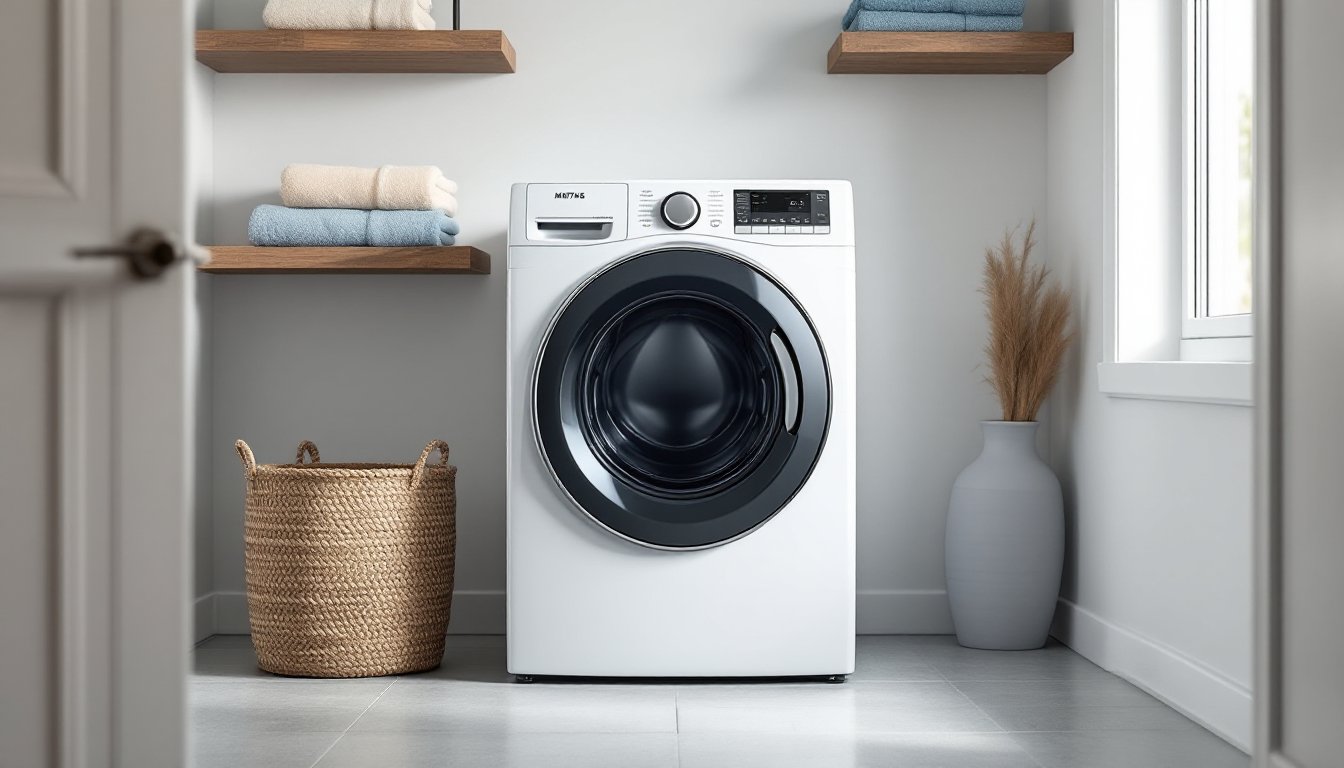
Space-tight laundry rooms and small apartments have driven demand for all-in-one laundry solutions, and Maytag has answered with washer dryer combo units that tackle both wash and dry cycles in a single appliance. These machines eliminate the need for separate units, saving floor space without sacrificing capacity. But they’re not just compact, they’re engineered with Maytag’s reputation for durability and cleaning power. Whether you’re renovating a closet-sized laundry area or outfitting a condo, understanding how these combos work and what they offer helps you make a smart choice.
Table of Contents
ToggleKey Takeaways
- Maytag washer dryer combo units combine wash and dry functions in one ventless machine, making them ideal for small apartments and tight laundry spaces without requiring external venting infrastructure.
- These all-in-one units offer 4.0–5.0 cubic foot capacity with advanced features like PowerWash technology and ENERGY STAR efficiency, using 13–18 gallons of water per load compared to traditional top-loaders.
- Expect complete wash-and-dry cycles to take 3–6 hours, making combos slower than separate machines but offering maximum convenience and floor space savings for moderate laundry volumes.
- Proper installation requires cold water supply, a drain standpipe (34+ inches), appropriate electrical connection (typically 120V or 240V), and 1 inch of clearance for air circulation around the unit.
- Maytag combos are best suited for singles, couples, and small families in condos or aging-in-place renovations, but less practical for large households or those needing fast drying times for bulky items.
- Regular maintenance including monthly gasket cleaning, drain pump filter inspection, and cleaning cycles prevents mold, odors, and performance issues that could compromise your washer dryer combo’s longevity.
What Is a Maytag Washer Dryer Combo and How Does It Work?
A washer dryer combo is a single appliance that washes and dries laundry in one drum without requiring you to transfer clothes between machines. Maytag’s combo units use a ventless condensing drying system, which means they don’t need an exterior dryer vent, hot, moist air is cooled inside the machine, condensed into water, and drained through the same hose used for wash cycles.
Here’s the basic cycle process:
- Wash cycle: The drum fills with water, agitates or tumbles clothing with detergent, then drains and spins.
- Drying cycle: The machine switches to a heated tumble with air circulation. Moisture is extracted via condensation and routed to the drain.
- Cooling phase: Some models include a brief cooling period to prevent wrinkles.
Because both functions happen in one drum, total cycle time runs longer than using separate machines, expect 3 to 6 hours for a full wash-and-dry load, depending on fabric type and load size. The trade-off is convenience and space savings, not speed.
Maytag combos typically offer a 4.0–5.0 cubic foot capacity, which handles medium to large loads. They’re front-loading by design, which is more water- and energy-efficient than top-loaders but requires bending to load and unload.
Key Features and Benefits of Maytag Washer Dryer Combos
Maytag builds its combo units with features aimed at homeowners who need reliability and cleaning power in a small footprint. Here’s what sets them apart:
Space Efficiency
A combo unit occupies the footprint of a single washer, typically 27 inches wide, making it ideal for closets, under-counter installations, or tight utility rooms. You gain back the floor space a separate dryer would occupy, which can be used for storage or other appliances.
Ventless Drying
No exterior vent means you can install the unit anywhere with access to a 120V or 240V outlet (model-dependent), a cold water supply, and a drain. This flexibility is a game-changer for apartments, condos, or homes without existing dryer venting infrastructure.
Advanced Wash Technology
Maytag integrates its PowerWash cycle in many combo models, using a combination of extra cleaning action, heated water, and concentrated detergent to tackle tough stains. The Fresh Hold option with extended tumbling keeps laundry fresh for up to 12 hours after the cycle ends, reducing the chance of mildew if you can’t unload immediately.
Energy and Water Savings
Front-load designs inherently use less water per load, around 13–18 gallons compared to 20–30 gallons for traditional top-loaders. Many units are ENERGY STAR certified, which can lower utility bills over time.
Durability
Maytag’s 10-year limited parts warranty on the drive motor and wash basket reflects their confidence in long-term performance. The brand has a reputation for commercial-grade components, which matters when a single machine is doing double duty.
These features make Maytag combos particularly appealing for renovations, aging-in-place projects, or anyone prioritizing function over laundry room square footage.
Top Maytag Washer Dryer Combo Models to Consider
Maytag’s current lineup includes a few standout models, each with specific strengths. Here’s what to look for:
Maytag MHW6630HW + MED6630HW (Stackable Set)
While technically a front-load washer and matching dryer sold separately, this set is commonly stacked in tight spaces and functions as a practical “combo” solution. The washer offers 4.8 cu. ft. capacity with PowerWash and the Extra Power button for heavily soiled loads. The dryer includes a Sanitize cycle and Wrinkle Prevent option. If you have vertical clearance but limited floor space, stacking gives you the speed advantage of separate units.
Maytag MHWE301YW (All-in-One Combo)
This is Maytag’s true all-in-one model with ventless drying. It packs a 4.0 cu. ft. drum, 12 wash cycles, and sensor drying to prevent over-drying. The unit runs on 120V power, so it plugs into a standard outlet, no 240V wiring required. Cycle times are longer, but installation flexibility and space savings are maximum.
Features to Compare
- Drum capacity: Larger families should aim for at least 4.5 cu. ft.
- Cycle options: Look for specialty cycles like Bulky Items, Delicates, or Quick Wash if you have varied laundry needs.
- Smart features: Some models include Wi-Fi connectivity for remote start and cycle alerts via the Maytag app.
Many expert reviews, including those from laundry specialists, highlight Maytag’s consistent cleaning performance and build quality compared to budget brands.
Installation Requirements and Setup Tips
Installing a Maytag washer dryer combo isn’t as simple as sliding it into place, there are plumbing, electrical, and clearance considerations. Here’s what you need:
Pre-Installation Checklist
- Water supply: One cold water line with a shutoff valve. Some models also accept a hot water line for faster heating.
- Drain: A standpipe (minimum 34 inches tall) or laundry sink. The drain hose must be secured and not kinked.
- Electrical: Check your model’s voltage. Many all-in-ones use 120V/15A, but larger units may require 240V/30A. If you’re upgrading from a standard washer, confirm your outlet matches.
- Ventilation: Ventless models still need airflow. Don’t install in a completely sealed closet, leave at least 1 inch of clearance on sides and back for air circulation.
- Flooring: Level, solid surface. Use a bubble level and adjustable feet to prevent vibration and uneven wear.
Step-by-Step Installation
- Shut off water and power to the area.
- Position the unit and level it front-to-back and side-to-side using the adjustable legs.
- Connect the water supply hose to the cold (and hot, if applicable) valve. Hand-tighten, then use pliers to snug an additional quarter-turn. Don’t over-torque, rubber washers seal the connection.
- Attach the drain hose to the standpipe or sink, ensuring the end sits at least 34–45 inches above the floor to prevent backflow.
- Plug in the unit and run a test cycle without laundry to check for leaks and proper drainage.
Pro Tips
- Use braided stainless steel hoses instead of rubber, they’re less prone to bursting.
- If installing in a closet, consider a bi-fold or pocket door to maximize access.
- Many jurisdictions don’t require permits for swapping out an existing washer, but if you’re adding new plumbing or electrical circuits, check with your local building department.
If you’re uncomfortable with plumbing or electrical connections, hire a licensed plumber or electrician. Most appliance retailers offer installation services for a flat fee.
Maintenance and Troubleshooting Your Maytag Combo Unit
Regular upkeep extends the life of your combo and prevents common issues like mold, odors, and poor drying performance.
Monthly Maintenance
- Clean the door gasket: Wipe down the rubber seal with a damp cloth and mild detergent to remove detergent residue, lint, and moisture. Leave the door ajar between loads to let the drum air out.
- Run a cleaning cycle: Use Maytag’s Clean Washer cycle with an affresh tablet or a cup of white vinegar to remove buildup inside the drum and hoses.
- Check the lint filter: Some ventless models have an internal filter or trap. Remove, rinse under warm water, and reinstall.
Quarterly Maintenance
- Inspect hoses: Look for cracks, bulges, or leaks in water supply and drain hoses. Replace any suspect hoses immediately.
- Clean the drain pump filter: Located behind a small access panel at the front bottom of the unit. Unscrew, remove debris (coins, lint, pet hair), and rinse.
Common Troubleshooting Issues
- Long drying times: Overloading reduces airflow. Dry smaller loads or use the Extra Dry setting. Also check that the drain hose isn’t kinked, poor drainage affects condenser performance.
- Musty odors: Result from moisture trapped in the gasket or drum. Increase cleaning frequency and always leave the door open after use.
- Error codes: Maytag uses alphanumeric codes (e.g., F5 E2 for door lock failure). Consult your owner’s manual or Maytag’s online support for code-specific fixes.
- Excessive vibration: Re-level the unit and ensure all shipping bolts (if present) were removed during installation.
When to Call a Pro
If you encounter electrical issues, persistent error codes, or mechanical failures (e.g., drum not spinning, no heat), contact Maytag support or a certified appliance repair technician. DIY repairs on sealed components can void your warranty.
Is a Maytag Washer Dryer Combo Right for Your Home?
Washer dryer combos aren’t a fit for everyone. Here’s how to decide if a Maytag unit matches your needs:
Best For:
- Small living spaces: Condos, apartments, or homes with limited laundry room square footage.
- No venting access: Units that can’t accommodate a dryer vent due to building restrictions or layout.
- Moderate laundry volume: Singles, couples, or small families doing 3–5 loads per week.
- Aging-in-place renovations: Front-load units can be raised on pedestals for easier access, and single-unit simplicity reduces confusion for older adults.
Less Ideal For:
- Large families: If you’re running back-to-back loads daily, the slower cycle times will bottleneck your routine. Separate machines offer faster throughput.
- Heavy-duty drying needs: Ventless drying is gentler and slower. If you regularly dry thick comforters, work uniforms, or towels, a vented dryer finishes faster.
- Impatient users: Combo cycles take 3–6 hours. If you need laundry done in under two hours, stick with separate units.
Cost Considerations
Maytag combo units typically range from $1,200 to $1,800 (as of 2026), depending on features and capacity. That’s comparable to buying a mid-range washer and dryer separately, but you save on installation costs and space. Factor in potential utility savings from ENERGY STAR models and the convenience of ventless drying.
Keep in mind that combo units may have slightly higher repair costs if something fails, since one machine handles two functions. Extended warranties can provide peace of mind.
For more insights on appliance selection and laundry room planning, resources like Popular Mechanics and The Kitchn offer hands-on reviews and practical advice.
Conclusion
Maytag washer dryer combos deliver a practical, space-saving solution for homeowners who need full laundry capability in a compact footprint. With ventless drying, robust wash cycles, and Maytag’s trademark durability, these units fit tight spaces without compromising performance. Proper installation, routine maintenance, and realistic expectations about cycle times will keep your combo running smoothly for years. If space is your constraint and reliability is your priority, a Maytag combo is worth serious consideration.