
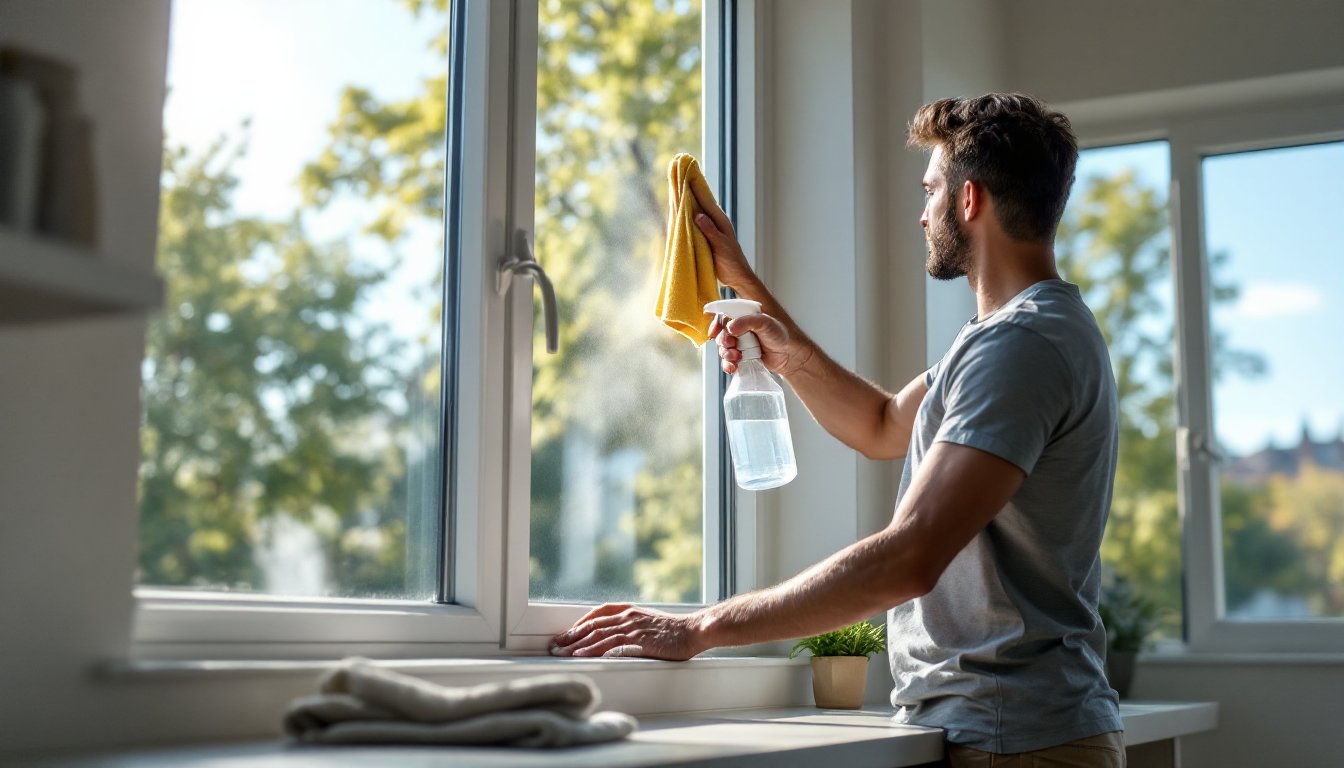
Method glass cleaner has carved out a loyal following among homeowners who want clean windows without the chemical smell or streaky residue. It’s plant-based, comes in a sleek bottle, and promises a streak-free finish, but does it actually deliver? Whether you’re cleaning picture windows, mirrors, or glass shower doors, understanding what makes Method different (and how to use it correctly) can save you time and frustration. This guide walks through the ingredients, application techniques, and real-world performance so you can decide if it’s the right fit for your home.
Table of Contents
ToggleKey Takeaways
- Method glass cleaner uses plant-based surfactants and corn-derived alcohol instead of ammonia, delivering streak-free results with minimal odor for everyday interior glass cleaning.
- Proper technique—wiping dust first, light spraying, and immediate buffing with microfiber cloths—is essential to achieving the best results with Method glass cleaner.
- Method performs best on bathroom mirrors, interior windows, and glass surfaces with light to moderate soil, but struggles with heavy exterior grime, hard water stains, and automotive glass.
- Method glass cleaner is competitively priced at $3.50–$5 per bottle and outperforms traditional ammonia cleaners in odor control and environmental sustainability while matching cleaning power for routine maintenance.
- For optimal results, pair Method glass cleaner for daily touch-ups with a stronger ammonia-based cleaner for quarterly deep cleans and exterior work, especially on windows with heavy buildup.
What Makes Method Glass Cleaner Different?
Method glass cleaner sets itself apart with a plant-based formula that skips ammonia and dyes. Instead of the harsh chemical smell common in traditional cleaners, it uses corn- and coconut-derived surfactants to break down grime. The formula is biodegradable and comes in 100% recycled plastic bottles, which appeals to homeowners who want effective cleaning without the environmental baggage.
The cleaner is also Cradle to Cradle Certified, meaning it meets rigorous standards for material health, recyclability, and renewable energy use in manufacturing. For DIYers who care about indoor air quality, especially in tightly sealed, energy-efficient homes, this certification matters.
But eco-friendly doesn’t always mean effective. Many green cleaners struggle with heavy buildup or leave streaks on glass. Method’s blend includes corn-derived alcohol as the primary solvent, which evaporates quickly to reduce streaking. It’s not a miracle worker on caked-on hard water stains, but for routine cleaning, it holds its own against conventional options.
Key Ingredients and How They Work
Method’s ingredient list is short and transparent. The main cleaning agents are lauryl glucoside (a gentle surfactant from coconut and sugar) and corn-derived ethanol (the solvent that cuts through grease and fingerprints). These ingredients work together to dissolve oils without the harshness of ammonia or butyl cellosolve, which are common in mainstream glass cleaners.
The formula also includes purified water and a small amount of fragrance (Method offers mint and unscented versions). The mint scent is light, nothing like the overpowering chemical smell you get from blue cleaners in the spray bottle with the trigger you remember from childhood.
One thing to note: because it’s ammonia-free, Method glass cleaner won’t cut through heavy nicotine film or stubborn road grime as aggressively as ammonia-based products. If you’re cleaning windows in a smoking household or exterior glass after a long winter, you might need a stronger initial pass or a dedicated exterior cleaner before switching to Method for maintenance.
How to Use Method Glass Cleaner for Best Results
Getting a streak-free finish with Method, or any glass cleaner, comes down to technique and materials, not just the product. Here’s the step-by-step:
-
Wipe down loose dust first. Use a dry microfiber cloth or duster to remove surface dirt and cobwebs. Spraying cleaner onto dusty glass just turns it into muddy streaks.
-
Spray lightly. Method’s formula is concentrated enough that you don’t need to soak the glass. Two to three sprays per window pane are plenty. Oversaturating makes streaking worse, especially on cold glass.
-
Wipe with a clean microfiber cloth. Use a dedicated glass cloth, not the same one you used on counters. Microfiber works better than paper towels because it doesn’t leave lint. Wipe in a Z-pattern or circular motion to cover the whole surface.
-
Buff dry immediately. Flip to a dry section of the cloth and buff in straight vertical or horizontal strokes. This step is where streaks happen if you skip it. The corn alcohol evaporates fast, but not instantly, buffing ensures no residue is left behind.
-
Clean on a cloudy day or in shade. Direct sunlight causes the cleaner to dry too quickly, which locks in streaks. If you’re cleaning exterior windows, work in the morning or late afternoon.
Safety note: Even though Method is plant-based, wear nitrile gloves if you have sensitive skin and work in a ventilated area when cleaning multiple windows. The fragrance and alcohol can be irritating in enclosed spaces.
For bathroom mirrors with hairspray buildup, you may need to spray twice and let the cleaner sit for 10–15 seconds before wiping. The surfactants need time to break down sticky residues.
Where Method Glass Cleaner Shines in Your Home
Method glass cleaner performs best on interior glass surfaces with light to moderate soiling. Here’s where it excels:
- Bathroom mirrors: Cuts through toothpaste splatters and light hairspray without streaking. The mint scent is a bonus after cleaning.
- Interior windows: Handles fingerprints, pet nose prints, and general smudges with ease. Works well on double-pane windows and low-E glass.
- Glass tabletops and shelves: Removes dust and light oils without leaving residue. Safe for tempered glass.
- Stainless steel appliances: Yes, it works on stainless. The plant-based formula won’t damage the finish, and it removes fingerprints better than some dedicated stainless cleaners.
- Tile and chrome fixtures: Use it on glass shower doors and chrome faucets for a quick shine. It won’t replace a deep clean with a dedicated lime remover, but it maintains them between scrubs.
Where Method struggles: exterior windows with heavy pollen, bird droppings, or hard water stains. For those jobs, homeowners often see better results with a dedicated exterior glass cleaner or a homemade vinegar-based solution. Method is best for maintenance, not heavy-duty restoration.
It’s also not ideal for automotive glass if you’re dealing with tree sap or bug splatter. The formula doesn’t have the abrasive or solvent strength to tackle road film. Stick with automotive-specific cleaners for windshields and side windows on vehicles.
Comparing Method to Traditional Glass Cleaners
Method glass cleaner competes directly with blue-bottle ammonia-based cleaners like Windex and eco-friendly alternatives like Seventh Generation. Here’s how it stacks up:
Cleaning Power: Traditional ammonia cleaners cut through grease and grime faster, especially on exterior glass or in kitchens with cooking residue. Method’s plant-based surfactants are gentler but require slightly more elbow grease on stubborn spots. For routine interior cleaning, the difference is negligible.
Streak Performance: When used correctly, Method performs as well as ammonia cleaners. The key is not over-spraying and buffing dry immediately. Many cleaning experts recommend microfiber cloths over paper towels regardless of cleaner brand, which levels the playing field.
Odor: This is where Method wins. Ammonia cleaners have a sharp, acrid smell that lingers. Method’s mint version is mild, and the unscented option has almost no odor. If you’re cleaning in a bedroom or nursery, that’s a real advantage.
Price: Method typically costs $3.50–$5 for a 28-ounce bottle, compared to $3–$4 for the same size of Windex. The price gap is narrow enough that cost isn’t a major factor for most homeowners.
Environmental Impact: Method is biodegradable, uses recycled plastic, and is Cradle to Cradle Certified. Traditional cleaners often contain petroleum-based solvents and come in virgin plastic. If sustainability matters to you, Method has a clear edge.
Versatility: Ammonia cleaners double as degreasers for stovetops and range hoods. Method is gentler and works better on surfaces where you don’t want harsh chemicals (mirrors near food prep, kids’ rooms, etc.).
Bottom line: for everyday interior glass cleaning, Method matches traditional cleaners in results with fewer fumes. For heavy-duty jobs, you might still reach for ammonia.
Is Method Glass Cleaner Worth It for Your Home?
Method glass cleaner is worth it if you prioritize low-odor, plant-based cleaning and mostly handle routine interior glass maintenance. It’s a solid choice for households with kids, pets, or anyone sensitive to chemical smells. The performance is on par with mainstream cleaners for light to moderate soil, and the eco-friendly credentials add value without compromising results.
It’s not the best choice if you’re tackling exterior windows with heavy buildup, restoring vintage glass with years of film, or cleaning in a commercial setting where speed and heavy-duty solvents matter. For those jobs, ammonia-based or specialized cleaners still have the edge.
Cost-wise, Method is competitive. At around $4 for a 28-ounce bottle, it’s not a budget-buster, and the concentrated formula means a little goes a long way. If you’re already buying eco-friendly cleaning products from retailers or platforms offering home cleaning guides, Method fits seamlessly into that approach.
Practical tip: Keep a bottle of Method for everyday touch-ups and a traditional ammonia cleaner for quarterly deep cleans or exterior work. That way, you get the best of both worlds, gentle daily maintenance and heavy-duty power when you need it.
One final consideration: if you’re retrofitting older windows or installing new low-E or tinted glass, check the manufacturer’s cleaning recommendations. Some coatings are sensitive to alcohol-based cleaners. Method’s corn alcohol is gentler than isopropyl, but it’s always smart to test a small area first or confirm compatibility.
Conclusion
Method glass cleaner delivers streak-free results without the chemical smell or environmental downsides of traditional cleaners. It’s best suited for interior glass, mirrors, and light maintenance rather than heavy-duty exterior or automotive work. Use it with clean microfiber cloths, avoid over-spraying, and buff dry immediately for the cleanest finish. For most homeowners, it’s a reliable, eco-conscious option that performs as well as the blue bottle, just with a gentler footprint.