
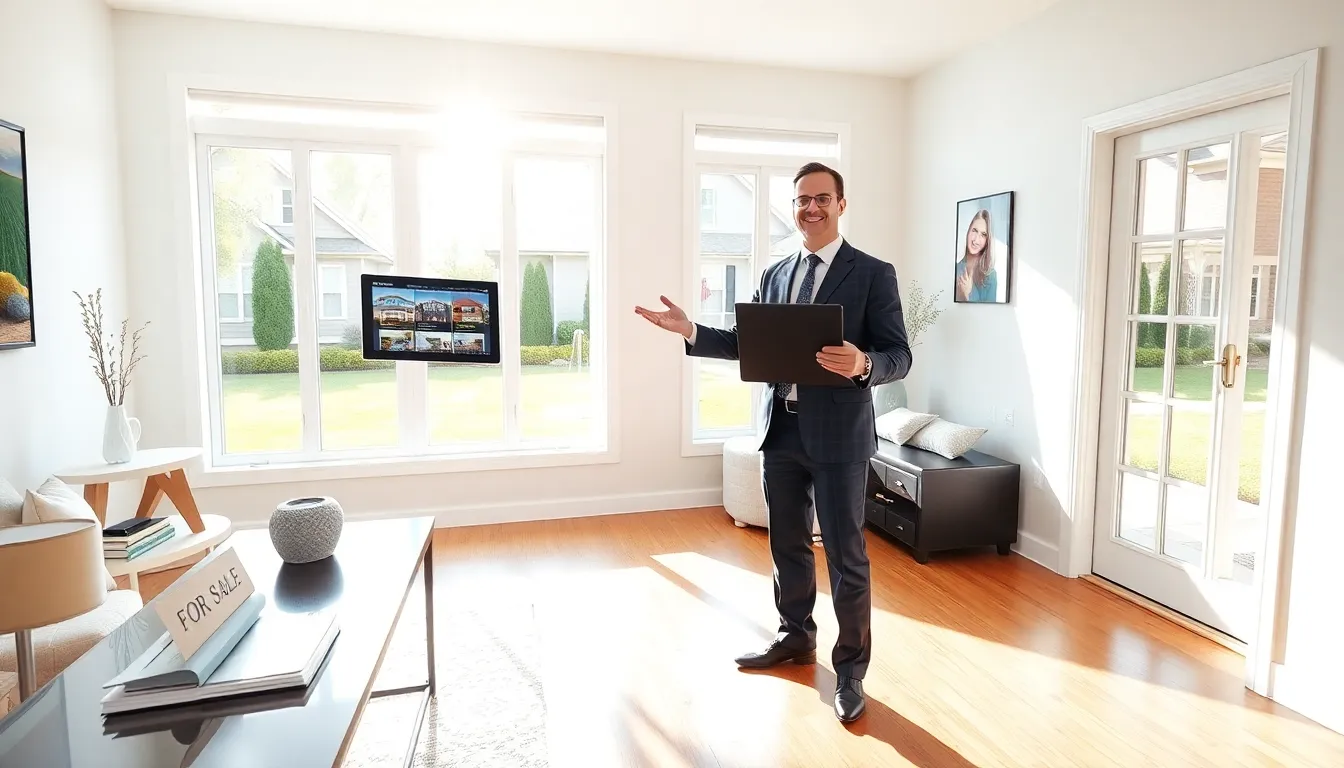
Selling a home ranks among the biggest financial decisions most people make. This selling a home guide walks through every step of the process, from preparing a property to closing the deal. Whether someone sells for the first time or has done it before, understanding each phase helps maximize profit and reduce stress. The right approach turns a complex transaction into a manageable series of steps. Let’s break down what sellers need to know to get the best results.
Table of Contents
ToggleKey Takeaways
- Preparing your home with decluttering, repairs, and deep cleaning helps it sell faster and at a higher price.
- Pricing your home correctly using comparable sales and market conditions attracts qualified buyers quickly.
- Professional photography and compelling listing descriptions are essential for effective home marketing online.
- When evaluating offers, consider contingencies, financing terms, and closing timelines—not just the price.
- This selling a home guide emphasizes that strong negotiation skills and proper closing preparation protect your financial interests throughout the transaction.
Preparing Your Home for Sale
First impressions drive home sales. Buyers decide within seconds whether a property feels right. Smart preparation makes that first impression count.
Declutter and Depersonalize
Remove personal photos, excess furniture, and accumulated items. Buyers need to picture themselves living in the space. A cluttered home feels smaller and distracts from its best features. Consider renting a storage unit for items that won’t fit comfortably during showings.
Make Strategic Repairs
Fix obvious issues before listing. Leaky faucets, cracked tiles, and peeling paint signal neglect to buyers. They’ll wonder what larger problems might exist. Focus on repairs that buyers notice immediately, front doors, light fixtures, and flooring.
Deep Clean Everything
Hire professional cleaners for a thorough scrub. Clean windows, carpets, grout, and appliances. The smell of a home matters too. Eliminate pet odors and cooking smells. Fresh, neutral scents work best.
Boost Curb Appeal
The exterior creates the buyer’s first impression. Mow the lawn, trim bushes, and add fresh mulch. A new welcome mat and potted plants near the entrance make a difference. Power wash the driveway and siding if needed.
This preparation stage of the selling a home guide proves worth the investment. Homes that show well sell faster and for higher prices.
Setting the Right Price
Price determines everything in a home sale. Set it too high, and the property sits on the market. Set it too low, and money gets left on the table.
Research Comparable Sales
Look at recent sales of similar homes in the same neighborhood. These “comps” provide the foundation for pricing decisions. Focus on homes with similar square footage, bedrooms, bathrooms, and features. Sales from the past three months carry the most weight.
Consider Market Conditions
A seller’s market allows for more aggressive pricing. A buyer’s market requires competitive positioning. Check how long homes typically stay on the market in the area. Shorter days on market suggest stronger demand.
Get a Professional Opinion
Real estate agents provide comparative market analyses. They know local trends and buyer preferences. Appraisers offer another perspective, though their services cost money. Multiple opinions help sellers feel confident about their price.
Account for Your Home’s Unique Features
Recent renovations, a finished basement, or a premium lot can justify higher pricing. Outdated kitchens, small yards, or busy street locations may warrant adjustments downward. Be honest about where the home stands compared to competition.
Pricing strategy forms a critical part of any selling a home guide. The right price attracts qualified buyers quickly.
Marketing Your Property Effectively
Great marketing puts a home in front of the right buyers. Today’s market demands a multi-channel approach.
Professional Photography
Professional photos attract more online views. Most buyers start their search on websites and apps. Dark, blurry, or poorly composed images send them scrolling past. Hire a photographer who specializes in real estate. The cost, usually $150 to $500, pays off quickly.
Write Compelling Listing Descriptions
Highlight the home’s best features in the description. Lead with what makes the property special. Mention recent upgrades, desirable neighborhoods, and practical benefits. Avoid generic phrases that apply to every home.
Leverage Online Platforms
List on major real estate websites. Share on social media. Some sellers find success with video tours or virtual walkthroughs. The goal is maximum exposure to qualified buyers.
Host Open Houses and Showings
Open houses generate traffic and create urgency. Private showings allow serious buyers to take their time. Keep the home show-ready during the listing period. This means daily tidying and quick exits when agents call.
Effective marketing separates homes that sell quickly from those that linger. This selling a home guide emphasizes reaching buyers where they search.
Navigating Offers and Negotiations
Receiving an offer feels exciting. Handling it correctly makes all the difference.
Evaluate Each Offer Carefully
Price matters, but it isn’t everything. Look at contingencies, financing terms, and closing timelines. A cash offer at a lower price might beat a financed offer that could fall through. Consider the buyer’s flexibility and motivation.
Understand Common Contingencies
Most offers include contingencies for inspections, appraisals, and financing. These protect buyers but create risk for sellers. Fewer contingencies mean a cleaner deal. Weigh the tradeoffs when comparing offers.
Craft Strategic Counteroffers
Sellers rarely accept first offers without changes. Counter on price, closing date, or included items. Keep negotiations professional and focused. Emotional responses derail deals.
Handle Multiple Offers
Multiple offers create leverage. Sellers can ask all parties for their best and final offer. This selling a home guide recommends transparency with agents about the competitive situation. Buyers often improve their terms when they know others compete.
Strong negotiation skills protect seller interests. The goal is reaching agreement that works for both parties.
Closing the Sale Successfully
Closing transforms an accepted offer into a completed sale. Several steps must happen first.
Complete Required Inspections
Buyers typically hire home inspectors to examine the property. Inspection findings may prompt repair requests or price adjustments. Sellers can negotiate which items to address. Major issues require attention: minor cosmetic concerns often don’t.
Handle Appraisal Requirements
Lenders require appraisals to confirm the home’s value supports the loan amount. Low appraisals create challenges. Options include renegotiating price, disputing the appraisal, or having buyers cover the gap.
Prepare for the Final Walkthrough
Buyers inspect the property one last time before closing. They verify agreed-upon repairs were completed. They ensure the home remains in expected condition. Avoid last-minute surprises by maintaining the property through closing.
Sign Documents and Transfer Ownership
Closing day involves signing numerous documents. Sellers review settlement statements showing all fees and credits. Title transfers to the new owner. Funds arrive, usually via wire transfer.
This selling a home guide ends where every successful sale concludes, at the closing table with keys handed over.