
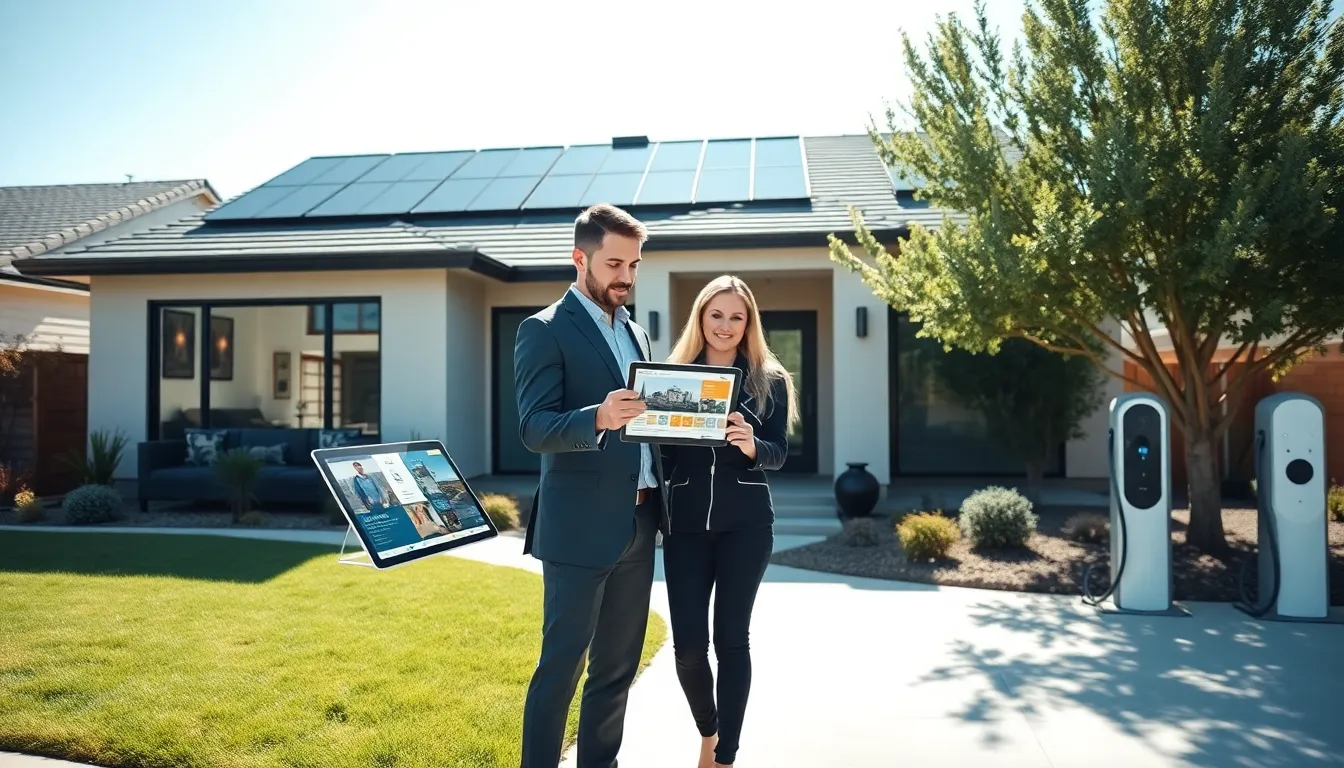
Selling a home trends 2026 will look different from previous years. Buyers have new priorities. Technology has changed how transactions happen. Pricing requires fresh strategies. Sellers who understand these shifts will position their properties for faster sales and better returns.
This guide covers the key trends shaping home sales in 2026. From demographic changes to energy efficiency expectations, sellers need practical information to make smart decisions. The market rewards those who adapt.
Table of Contents
ToggleKey Takeaways
- Selling a home trends 2026 favor properties with dedicated home offices, functional layouts, and usable outdoor spaces over sheer square footage.
- Virtual tours and AI-powered pricing tools are now essential—sellers who embrace technology gain a competitive edge and attract serious buyers.
- Strategic pricing is critical in 2026; overpriced homes sit longer on the market, while accurate pricing from day one leads to faster sales.
- Energy-efficient features like solar panels, modern HVAC systems, and EV charging capabilities can increase home value and speed up sales.
- Seller concessions such as closing cost assistance or rate buydowns have returned—factor these into your net proceeds calculations.
- Multigenerational-friendly homes with in-law suites or flexible spaces are in high demand as more families plan to house multiple generations.
Shifting Buyer Demographics and Preferences
The buyer pool in 2026 looks different. Millennials now dominate home purchases, making up the largest share of buyers. Gen Z has entered the market in significant numbers. These groups bring distinct expectations.
Remote work has permanently changed location preferences. Buyers care less about commute times. They want dedicated home office space and reliable internet infrastructure. Properties without a clear workspace option face longer listing times.
Square footage matters less than functional design. Younger buyers prefer open layouts that serve multiple purposes. A 1,800-square-foot home with smart floor plans often beats a 2,200-square-foot property with dated room divisions.
Outdoor spaces have gained importance since 2020. Buyers want usable yards, patios, or balconies. Even modest outdoor areas add perceived value. Sellers should highlight these features in listings.
First-time buyers face affordability challenges. Many seek smaller starter homes or properties in emerging neighborhoods. Sellers of entry-level homes should expect strong demand but price-sensitive buyers.
Multigenerational living continues to grow. Homes with in-law suites, separate entrances, or flexible spaces attract families planning to house multiple generations. This trend creates opportunities for sellers with adaptable properties.
Technology Reshaping the Selling Process
Technology has transformed how homes sell in 2026. Sellers who embrace these tools gain advantages over those who resist change.
Virtual tours have become standard, not optional. Buyers expect 3D walkthroughs before scheduling in-person visits. High-quality virtual tours reduce wasted showings and attract serious buyers. Professional-grade virtual staging helps empty properties compete with furnished homes.
AI-powered pricing tools give sellers better data. These systems analyze comparable sales, local trends, and buyer behavior patterns. Sellers can set asking prices with greater confidence. But, human expertise still matters for understanding neighborhood nuances.
Digital closing processes have streamlined transactions. Remote notarization and electronic signatures reduce the time from accepted offer to closing. Buyers appreciate the convenience. Sellers benefit from faster access to funds.
Smart home features influence buyer decisions. Properties with integrated thermostats, security systems, and lighting controls appeal to tech-savvy buyers. These upgrades don’t require massive investment but can improve listing appeal.
Social media marketing has evolved beyond basic posts. Video content on platforms like TikTok and Instagram Reels reaches younger buyers effectively. Sellers should work with agents who understand these channels.
Blockchain technology is entering real estate transactions. While not yet mainstream, some markets use it for secure title transfers and contract management. This trend will grow through 2026 and beyond.
Pricing Strategies in the 2026 Market
Pricing a home correctly in 2026 requires understanding current conditions. The strategies that worked in 2021 or 2022 don’t apply anymore.
Interest rates shape buyer budgets. Higher borrowing costs mean buyers qualify for less. Sellers must price homes within realistic ranges for their target market. Overpricing leads to stale listings and eventual price cuts.
Comparable sales data needs careful interpretation. The selling a home trends 2026 market shows regional variation. Some areas have rebounded from corrections. Others still adjust. Local expertise matters more than national headlines.
Strategic pricing attracts more offers. Some sellers price slightly below market value to generate competition. This approach works best in desirable areas with limited inventory. The resulting bidding activity often pushes final prices above the initial target.
Days on market affects perception. Buyers view long-listed properties with suspicion. They assume something is wrong. Pricing correctly from the start prevents this problem. Fresh listings with accurate prices sell faster.
Seller concessions have returned. Buyers expect help with closing costs or rate buydowns. Sellers should factor these into their net proceeds calculations. A slightly lower sale price with no concessions often equals a higher price with significant buyer assistance.
Seasonality still influences timing. Spring remains the strongest selling season. Fall offers less competition from other sellers. Winter sales favor motivated buyers. Each season requires adjusted pricing expectations.
Sustainability and Energy Efficiency as Selling Points
Energy efficiency has moved from nice-to-have to must-have for many 2026 buyers. Sellers can capitalize on this shift.
Solar panels add measurable value. Owned systems (not leased) increase home prices by an average of 4% according to recent studies. Buyers understand the long-term savings on electricity bills. Properties with solar sell faster in markets with high energy costs.
Heat pumps and modern HVAC systems attract attention. Buyers worry about utility expenses. Efficient heating and cooling systems reduce monthly costs. Sellers should highlight recent HVAC upgrades in listings.
Energy audits provide useful selling tools. A professional assessment showing low energy consumption gives buyers confidence. It demonstrates the home has been well-maintained. Some sellers include audit reports in their listing materials.
Electric vehicle readiness matters. Homes with EV charging capabilities or 240-volt garage outlets appeal to the growing number of electric car owners. This feature costs relatively little to add but signals forward-thinking to buyers.
Water efficiency has gained importance. Drought-resistant landscaping, low-flow fixtures, and efficient irrigation systems attract buyers in water-stressed regions. These features reduce operating costs and environmental impact.
Building materials and indoor air quality influence health-conscious buyers. Low-VOC paints, quality ventilation, and non-toxic materials appeal to families with children or allergy concerns. Sellers with recent renovations should document the materials used.